
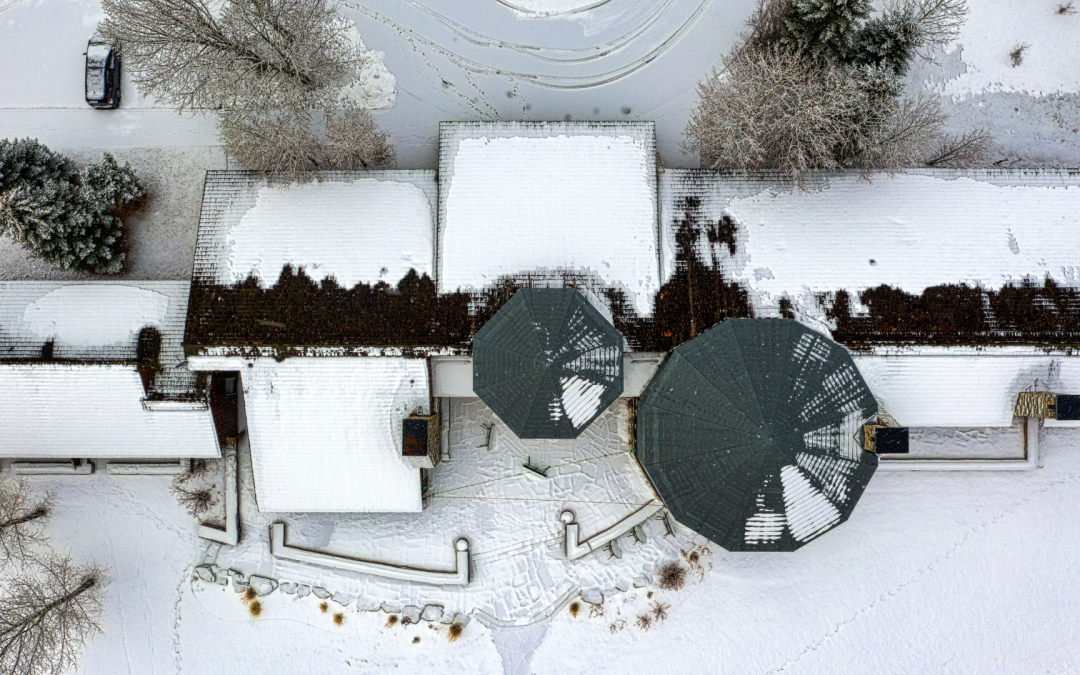
Prolonged cold snaps place extreme stress on every part of a home, but no structure suffers more than an aging roof. When temperatures remain below freezing for extended periods, old roofing systems are exposed to thermal contraction, ice buildup, moisture intrusion, and material brittleness that modern roofs are better designed to withstand. Over time, years of sun exposure, wind, and rain already weaken shingles, flashing, and underlayment, so when winter sets in, even minor vulnerabilities turn into serious damage risks. Homeowners often underestimate how quickly cold weather roof damage can escalate, especially in older properties. Tiny cracks widen, moisture freezes inside roof layers, and structural stress multiplies with every freeze-thaw cycle. This combination makes prolonged cold snaps one of the most destructive forces for aging roofs. Understanding what happens to an old roof during extreme winter conditions helps prevent costly emergency repairs and unexpected replacements. Knowing the warning signs and acting early can save thousands in damage. Let’s explore exactly how winter impacts aging roofing systems.
How Cold Weather Affects Roofing Materials Over Time
Cold temperatures change the physical properties of roofing materials, especially those that are already worn.
Thermal Expansion and Contraction
Every roofing material expands in warm conditions and contracts in cold temperatures. During prolonged cold snaps, this constant shrinking creates stress fractures across shingles, flashing, sealants, and fasteners. Old roofs experience this stress more severely because their materials have already lost flexibility. Asphalt shingles become brittle, metal panels tighten and loosen repeatedly, and seams begin to separate. Over time, this thermal movement weakens attachment points and creates tiny gaps where moisture can enter. Once water seeps inside and freezes, it expands, forcing the cracks wider. This repetitive freeze-thaw cycle is one of the most damaging processes in winter roofing.
Loss of Material Flexibility
As roofing materials age, they lose oils, coatings, and elasticity that protect them from cracking. When freezing temperatures hit, these hardened surfaces are unable to flex under snow weight or wind pressure. Shingles snap, underlayment tears, and flashing bends away from seams. This brittleness is a leading cause of winter roof leaks and structural damage. Newer roofs may survive extreme cold, but older ones often fail under similar conditions.
Why Older Roofs Are More Vulnerable Than New Ones
An aging roof has already endured years of ultraviolet exposure, rain saturation, and temperature changes. These factors slowly degrade protective coatings, thin the roofing layers, and weaken the structural deck beneath. When winter arrives, the roof is no longer resilient. Worn flashing pulls away from chimneys and vents, fasteners loosen, and sealants dry out. Old roofs also lack modern ice and water barriers that prevent moisture backup. Because of this, even light snow and ice accumulation can result in serious interior leaks. Aging systems simply cannot handle the same stress as newer installations.
Common Types of Cold Weather Roof Damage
Cold snaps cause a variety of roof problems, including:
-
Cracked or broken shingles
-
Ice dam formation
-
Nail pops and loose fasteners
-
Warped roof decking
-
Torn flashing
-
Gutter ice blockages
-
Frozen roof vents
-
Membrane splitting
-
Structural sagging from snow weight
Each of these issues weakens the roofing system and increases the risk of major leaks or collapse.
Ice Dams and Their Impact on Old Roof Structures
How Ice Dams Form
Ice dams occur when heat escapes from the attic, warming the roof surface and melting snow. The water flows toward the colder eaves, where it refreezes. Over time, layers of ice build up along the roof edge, trapping additional melting water behind them. This standing water has nowhere to go and begins to seep beneath shingles and underlayment.
How Ice Dams Damage Aging Roofs
Old roofs are especially vulnerable to ice dams because their waterproof barriers have weakened. Water seeps into cracks, rotting roof decking and soaking insulation. As moisture spreads, mold growth begins inside walls and ceilings. Over time, structural framing becomes compromised, leading to sagging ceilings and interior damage. Ice dams are one of the most expensive winter roofing problems for older homes.
How Snow Load Weakens Old Roofs
Snow may appear light, but when it accumulates, it becomes extremely heavy. Wet snow can weigh more than 20 pounds per cubic foot. For older roofs, this weight stresses support beams, trusses, and decking. Over time, this constant pressure causes the roof to bow, sag, or even collapse. Cracks appear in ceilings, doors stick, and interior walls shift. Prolonged cold snaps keep snow frozen in place, increasing the load for weeks at a time.
Moisture Intrusion During Prolonged Freezing Temperatures
Freeze-Thaw Water Expansion
Water trapped inside roofing layers freezes during cold snaps, expanding by nearly 9 percent. This expansion pushes materials apart, opening new cracks. When temperatures briefly rise, the ice melts, allowing water to penetrate deeper. This cycle repeats continuously during winter.
Hidden Interior Damage
Moisture that enters the roof travels into insulation, ceiling drywall, and wooden framing. Over time, this leads to rot, mold growth, and reduced energy efficiency. These issues often remain hidden until major structural repairs are needed.
Warning Signs Your Old Roof Is Failing in Cold Weather
-
Water stains on ceilings or walls
-
Icicles along roof edges
-
Drafts near ceilings
-
Attic frost buildup
-
Peeling interior paint
-
Missing or cracked shingles
-
Ice-filled gutters
These signs indicate serious cold weather roof damage and should never be ignored.
Emergency Roof Repairs During Winter
Temporary Cold-Weather Fixes
Roofing cement, waterproof tarps, and sealant patches can temporarily stop leaks during winter. Snow removal around problem areas helps reduce stress.
When to Call a Professional Roofer
If leaks persist, ceilings sag, or ice dams continue forming, professional inspection is essential. Emergency roof repair prevents further structural damage.
Preventive Winter Maintenance for Aging Roofs
-
Improve attic insulation
-
Seal air leaks
-
Clear gutters
-
Install ice and water shields
-
Trim overhanging branches
-
Remove heavy snow buildup
Cost of Ignoring Cold Weather Roof Damage
| Issue | Repair Cost | Replacement Risk |
|---|---|---|
| Ice dam leaks | $$ | High |
| Structural sagging | $$$$ | Very High |
| Mold damage | $$$ | Medium |
Final Thoughts: When Is It Time to Replace an Old Roof?
Prolonged cold snaps expose the true condition of an aging roof. Cracks, leaks, ice buildup, and structural stress all accelerate failure. While repairs may offer temporary relief, repeated winter damage often signals that replacement is the safest long-term solution. Investing in a new roofing system with modern insulation and waterproofing ensures better protection, energy efficiency, and peace of mind during future winters
Podcast: Play in new window | Download