Mold can become a serious problem in any home when moisture is left unchecked. A small patch behind a cabinet or near a window may seem harmless, but mold can spread when the conditions remain damp. For Cranford homeowners, leaks, flooding, basement moisture, condensation, and poor ventilation can all contribute to mold growth. Knowing when to handle a minor issue and when to contact a professional is important. Mold remediation in Cranford goes beyond simply wiping away visible growth. It involves identifying the source of moisture, addressing affected areas, and taking steps to prevent the problem from returning.
What Is Mold Remediation?
Mold remediation is a comprehensive process designed to address mold contamination and the conditions that allow it to grow. Unlike basic mold cleaning, professional remediation focuses on both the visible mold and the underlying moisture problem.
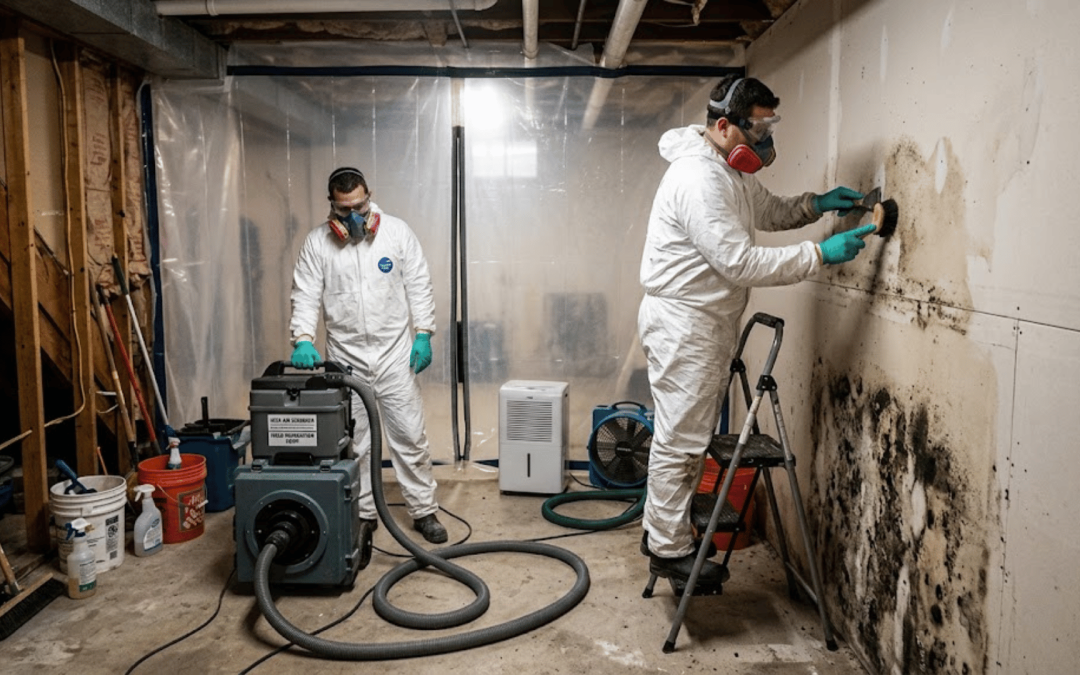
A proper remediation process may include inspection, containment, removal or cleaning of affected materials, drying, and moisture control. The goal is not simply to make mold disappear temporarily but to correct the conditions responsible for its growth. According to the EPA, fixing moisture problems is a critical part of preventing mold from returning.
Signs You May Need Mold Remediation in Cranford
Not every small mold spot requires professional intervention, but certain warning signs indicate that the problem may be larger than it appears.
Look for These Common Warning Signs:
- Visible mold growth: Mold may appear as black, green, gray, white, or fuzzy patches.
- Persistent musty odors: A strong musty smell may indicate hidden mold, even when you cannot see it.
- Recurring mold: If mold returns after cleaning, an unresolved moisture problem may be present.
- Water damage: Leaks, flooding, or damp materials can create favorable conditions for mold growth.
- Discoloration: Stained walls, ceilings, flooring, or drywall may indicate moisture and potential mold.
- Hidden mold: Mold can develop behind walls, under flooring, around pipes, or inside other concealed spaces.
If these signs continue or become more extensive, professional mold inspection and remediation may be the appropriate next step.
When Should You Call a Professional Mold Remediation Company?
Some mold situations are more complicated than others. Professional assistance is particularly important when contamination is extensive, difficult to access, or connected to significant water damage.
Extensive Mold Growth
The EPA generally recommends considering professional assistance when mold covers more than approximately 10 square feet. Larger areas can require more extensive containment, protective equipment, cleaning, and removal procedures.
Significant Water Damage
Flooding, burst pipes, roof leaks, and major plumbing failures can leave behind moisture that encourages mold growth. If building materials have remained wet for an extended period, simply drying the surface may not be enough.
Recurring Mold Problems
If you repeatedly clean mold only to see it return, there is likely an underlying issue that has not been resolved. Professionals can investigate potential sources such as leaks, excess humidity, condensation, or poor ventilation.
Hidden Mold
Visible mold may represent only part of the problem. If you suspect growth behind drywall, beneath flooring, around plumbing, or inside other inaccessible areas, attempting to remove it yourself could leave contaminated materials behind.
HVAC Contamination
Mold associated with heating, ventilation, and air-conditioning systems requires particular caution because air movement can potentially distribute contaminants throughout a property. Professional assessment is advisable when HVAC contamination is suspected.
DIY Mold Cleanup vs. Professional Remediation
For small, isolated areas, homeowners may sometimes be able to handle basic cleaning. However, larger or more complicated contamination requires a different approach.
| Mold Situation | DIY Cleanup | Professional Help |
|---|---|---|
| Small isolated area | May be possible | Optional |
| Large area of mold | Not recommended | Recommended |
| Recurring mold | Usually insufficient | Recommended |
| Major water damage | Not recommended | Recommended |
| Hidden mold | Difficult to address | Recommended |
| Sewage-contaminated water | Not recommended | Recommended |
| Suspected HVAC contamination | Not recommended | Recommended |
The important consideration is not just how much mold is visible but why it is growing and where it may be located.
What Does Professional Mold Remediation Involve?
Professional mold remediation typically follows a systematic process. The exact approach depends on the extent and location of contamination.
1. Inspection and Assessment
The first step is determining where mold is present and identifying areas that may require further investigation. Professionals also look for signs of moisture intrusion.
2. Identifying the Moisture Source
Mold cannot be effectively controlled without addressing the moisture problem. Professionals may investigate plumbing leaks, basement dampness, roof leaks, condensation, humidity, and ventilation issues.
3. Containment
When appropriate, affected areas may be isolated to help prevent mold and contaminated dust from spreading to unaffected parts of the property.
4. Cleaning and Removal
Depending on the material and extent of contamination, affected surfaces may be cleaned or damaged materials may need to be removed. Porous materials that cannot be adequately cleaned may require replacement.
5. Drying and Moisture Control
Proper drying is essential. Professionals may use appropriate drying equipment and recommend solutions for ongoing moisture problems.
6. Final Assessment
After remediation, the affected area should be checked to determine whether visible mold, moisture issues, and other signs of contamination have been appropriately addressed.
Why Choose Professional Mold Remediation?
Professional remediation can be especially valuable when homeowners are dealing with extensive or recurring mold. Instead of focusing only on what is visible, experienced professionals can take a more comprehensive approach.
Key benefits include:
- Identifying potential moisture sources.
- Investigating hidden mold.
- Using appropriate containment procedures.
- Handling contaminated materials properly.
- Addressing extensive water damage.
- Reducing the likelihood of recurring mold.
- Providing a structured remediation process.
Most importantly, professional remediation addresses the cause as well as the symptom. Cleaning mold without correcting the moisture source can allow the problem to return.
How to Prevent Mold From Returning
Once mold has been remediated, prevention should remain a priority. Cranford homeowners can reduce the likelihood of future mold growth by keeping indoor areas dry and responding quickly to moisture problems.
Consider these preventive measures:
- Repair plumbing and roof leaks promptly.
- Keep basements and crawl spaces dry.
- Improve ventilation in bathrooms and kitchens.
- Address condensation around windows and pipes.
- Monitor indoor humidity.
- Dry wet materials as quickly as possible.
- Maintain exterior drainage around the home.
- Check previously affected areas regularly.
Moisture control is one of the most important parts of long-term mold prevention.
FAQs About Mold Remediation in Cranford
Can I remove a small amount of mold myself?
Small, isolated areas may sometimes be cleaned by homeowners. However, professional assistance is more appropriate when mold is extensive, recurring, hidden, or associated with significant water damage.
Can mold return after remediation?
Yes. Mold can return if the underlying moisture problem remains unresolved. Fixing leaks, reducing excess humidity, and improving ventilation can help prevent future growth.
How long does mold remediation take?
The timeline varies depending on the size of the affected area, the type of materials involved, the moisture source, and whether hidden contamination is discovered.
Is professional mold remediation worth it?
For extensive, recurring, or difficult-to-access mold, professional remediation can provide a more thorough approach than surface cleaning alone.
Don’t Let a Mold Problem Grow
Mold should not be ignored, particularly when it continues to spread, returns after cleaning, or follows significant water damage. If you notice persistent musty odors, recurring growth, hidden moisture, or extensive mold in your Cranford home, professional evaluation can help determine the appropriate solution. Mold remediation in Cranford should focus on both eliminating existing contamination and correcting the conditions that caused it. Taking action early can help prevent a manageable moisture problem from becoming a much larger restoration project.