
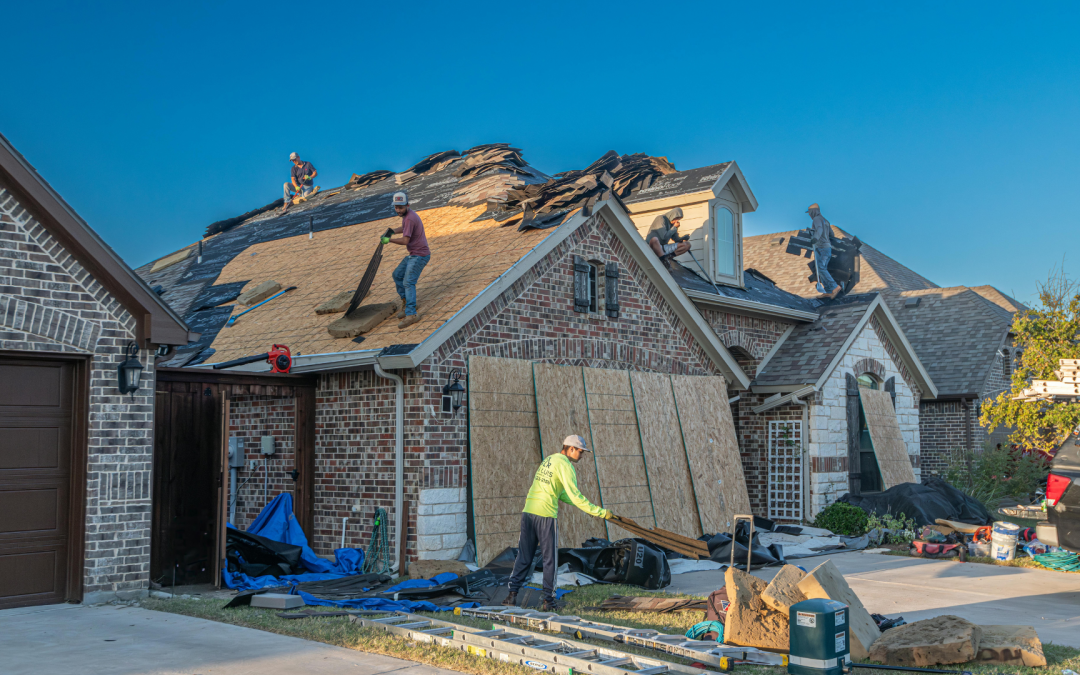
Winter in New Jersey is one of the most dangerous seasons for residential roofs because extreme cold, heavy snowfall, and freezing rain can cause sudden and severe structural damage that homeowners often do not notice until it becomes an emergency. Emergency roof repairs in winter NJ are not just a convenience but a necessity because even a small leak can quickly turn into major interior damage when water freezes, expands, and seeps deeper into roofing materials. Many homeowners underestimate how quickly winter roof damage can spread through insulation, ceilings, and attic framing. When snow melts during the day and refreezes at night, it creates hidden pressure points that weaken shingles, flashing, and underlayment. Strong winter winds in New Jersey can lift already brittle shingles and expose vulnerable roof sections to moisture intrusion. A single storm damaged roof NJ homeowners experience can lead to mold growth, ceiling stains, electrical hazards, and compromised structural integrity. Acting immediately during a roof leak in winter can mean the difference between a small repair and a full roof replacement. Understanding the right steps and knowing when to contact emergency roofing services NJ can protect your home and your family. This guide explains exactly what to do first when winter roof emergencies strike.
Why Winter Is the Most Dangerous Season for Roof Damage in New Jersey
Winter roofing problems in New Jersey are more severe than in other seasons because roofs are exposed to constant cycles of freezing and thawing that weaken materials over time. Snow accumulation places heavy weight on roof structures, especially older homes that were not designed for extreme winter loads. Ice forms along roof edges and in gutters, trapping water and forcing it under shingles where it can seep into the attic and ceiling. Freezing temperatures make shingles brittle, increasing the risk of cracking, splitting, and breakage during high winds. Storms with sleet and freezing rain create a waterproof barrier that prevents proper drainage and accelerates moisture damage. Winter roof inspection NJ professionals often find hidden leaks that homeowners cannot see until stains appear on interior walls. Attic condensation issues also increase in winter because warm indoor air meets cold roof surfaces. All of these factors combined make winter roof damage New Jersey homeowners face more dangerous and unpredictable. Without fast emergency roof repairs in winter NJ, minor issues can quickly become structural disasters.
Heavy Snow Loads & Ice Buildup
Heavy snow loads can add thousands of pounds of pressure to a residential roof, causing stress that weakens rafters, decking, and trusses. When snow sits for long periods, it begins to melt from the heat inside the home and refreezes near the roof edges. This process creates ice dams that block proper drainage and force water under the shingles. Ice buildup also forms in gutters, preventing melting snow from flowing away from the roof. As water backs up, it seeps into attic insulation and ceiling materials, leading to mold and rot. Over time, this trapped moisture weakens wood framing and compromises the roof structure. Snow damage roof problems often go unnoticed until ceilings sag or water drips inside. Professional emergency roofing services NJ frequently respond to calls caused by snow overload. Reducing snow buildup is essential to preventing long-term damage.
Freezing Temperatures & Material Cracking
Freezing temperatures cause roofing materials to contract, making them more fragile and prone to cracking. Asphalt shingles become stiff and brittle in extreme cold, increasing the risk of breakage during high winds. Flashing around chimneys, vents, and skylights also shrinks and pulls away, leaving gaps where water can enter. Sealants used in warmer seasons lose flexibility in winter and can split under pressure. Metal roofing components expand and contract, loosening fasteners over time. These temperature-related shifts allow moisture to penetrate beneath the roof surface. Frozen roof leaks often remain hidden until temperatures rise and trapped water begins to flow. Once inside, moisture damages insulation, drywall, and electrical systems. This is why winter roof damage New Jersey homes experience requires immediate attention.
Common Winter Roofing Emergencies NJ Homeowners Face
-
Roof leaks during snowstorms
-
Ice dam roof damage
-
Shingle blow-offs from winter winds
-
Structural sagging from heavy snow
-
Flashing failures around chimneys
-
Gutter ice blockages
-
Skylight leaks
-
Chimney flashing cracks
-
Frozen roof vents
-
Attic moisture buildup
-
Mold growth from winter leaks
-
Ceiling water stains
-
Emergency roof collapse risks
-
Soffit and fascia rot
-
Loose ridge caps
First Signs Your Roof Needs Emergency Repairs in Winter
-
Water dripping from ceilings
-
Dark stains on walls
-
Peeling paint near roof lines
-
Sagging ceilings
-
Musty attic smells
-
Icicles forming along roof edges
-
Snow melting unevenly
-
Drafts from attic spaces
-
Shingle debris in yard
-
Cracked flashing
-
Blocked gutters
-
Frozen downspouts
-
Visible roof sagging
-
Mold in attic
-
Increased heating bills
What To Do Immediately When Your Roof Is Leaking in Winter
-
Place buckets to catch dripping water.
-
Move furniture away from the leak.
-
Shut off electricity near affected areas.
-
Inspect the attic safely.
-
Mark the leak location.
-
Use plastic sheeting to contain moisture.
-
Remove excess snow carefully.
-
Apply temporary tarping if accessible.
-
Document damage for insurance.
-
Call emergency roofing services NJ.
-
Avoid walking on icy roofs.
-
Schedule a full winter roof inspection NJ.
Why DIY Winter Roof Repairs Are Dangerous
Attempting to repair a roof during winter conditions exposes homeowners to serious safety risks and can worsen existing damage. Icy surfaces are extremely slippery, increasing the chance of falls that can result in severe injuries. Many roofing materials become brittle in cold temperatures, so stepping on them may cause cracks and breakage. Without professional equipment, homeowners cannot safely access steep or snow-covered roof areas. Hidden ice beneath snow can cause sudden slips, making ladder use hazardous. DIY repairs often fail to address underlying moisture damage beneath shingles and underlayment. Temporary fixes may trap moisture, leading to mold growth inside the roof system. Improper sealing can also cause leaks to spread into new areas. Emergency roof repairs in winter NJ should always be handled by trained professionals.
Safety Risks on Icy Roofs
Walking on an icy roof significantly increases the risk of slips and falls, even for experienced contractors. Ice is often hidden beneath snow, making it difficult to judge where it is safe to step. Roof edges and slopes become especially dangerous during freezing conditions. Strong winter winds can destabilize ladders and safety equipment. Falling from even a single story can cause serious injuries. Many homeowners underestimate how quickly weather conditions can change. Emergency roofing services NJ use harnesses, anchors, and safety gear to prevent accidents. Professional crews are trained to identify hazards before starting repairs. Safety should always come first.
Hidden Structural Damage Under Snow
Snow can hide cracked shingles, broken flashing, and rotting decking. Homeowners may believe their roof is intact when serious damage exists underneath. Moisture trapped beneath snow can weaken wood framing over time. Ice dams push water into areas that cannot dry during winter. When temperatures rise, hidden leaks suddenly appear. This delayed damage often surprises homeowners. Professional inspections use tools to detect moisture beneath the surface. Addressing hidden problems early prevents major structural failures. Winter roof inspection NJ services are essential for safety.
Temporary Roof Repair Options Until Professionals Arrive
| Temporary Fix | Purpose | When to Use | Risk Level |
|---|---|---|---|
| Emergency tarping | Stops active leaks | During storms | Medium |
| Plastic sheeting | Covers exposed areas | Short-term | High |
| Sealant patches | Cracks & flashing | Dry days | Medium |
| Snow removal | Reduce roof load | After storm | High |
How Professional Emergency Roofing Services in NJ Handle Winter Damage
Professional emergency roofing services NJ respond quickly to prevent further damage and protect your home from moisture intrusion. Crews perform emergency inspections to identify the source of leaks and structural weaknesses. Specialized winter-grade materials are used to ensure repairs hold in freezing temperatures. Temporary tarping is installed to stop water until permanent repairs can be completed. Contractors remove ice dams and clear blocked gutters to restore proper drainage. Thermal imaging tools detect hidden moisture beneath roofing layers. Safety protocols ensure crews can work in harsh weather conditions. Detailed repair plans are provided for long-term solutions. Emergency roof repairs in winter NJ require expertise and specialized equipment.
Emergency Roof Inspection Process
Technicians begin with a visual assessment of shingles, flashing, and roof edges. Attics are inspected for moisture, mold, and insulation damage. Thermal imaging identifies cold spots where leaks may exist. Ice dams are evaluated to determine water backup risks. Structural framing is checked for sagging or rot. Detailed reports document all findings. Homeowners receive clear explanations of necessary repairs. Immediate stabilization measures are taken. This process ensures accurate solutions.
Winter-Grade Repair Materials
Cold-weather adhesives remain flexible in freezing temperatures. Specialized sealants prevent cracking. Reinforced underlayment resists moisture penetration. Metal flashing is secured with winter-rated fasteners. Temporary tarps are designed for snow loads. These materials ensure repairs last through harsh conditions. Professional-grade products outperform DIY solutions. Using the right materials prevents repeat leaks. Winter-specific solutions are essential.
Cost of Emergency Roof Repairs in Winter in New Jersey
| Repair Type | Average Cost (NJ) | Urgency Level |
|---|---|---|
| Emergency tarping | $$ | High |
| Shingle replacement | $$$ | Medium |
| Ice dam removal | $$ | High |
| Structural repair | $$$$ | Critical |
How Ice Dams Cause Severe Roof Leaks
Ice dams form when warm air from the attic melts snow on the roof, causing water to refreeze at the edges. This creates a barrier that prevents proper drainage. Water backs up and seeps under shingles. Over time, moisture penetrates insulation and ceiling materials. Mold growth follows. Wood framing begins to rot. Electrical hazards may develop. Ice dam roof damage is a leading cause of winter leaks. Removing ice dams quickly prevents major repairs.
Preventing Winter Roof Emergencies in the Future
-
Schedule fall inspections
-
Clean gutters regularly
-
Improve attic insulation
-
Seal attic air leaks
-
Install roof ventilation
-
Remove snow buildup
-
Check flashing annually
-
Replace damaged shingles
-
Trim overhanging branches
-
Install ice and water shields
-
Monitor attic humidity
-
Repair minor leaks promptly
-
Upgrade aging roofs
-
Install gutter guards
-
Book winter roof inspections
When to Call 24/7 Emergency Roofing Services in NJ
If you notice active leaks, sagging ceilings, or structural damage, it is critical to contact 24/7 emergency roofing services NJ immediately. Delaying repairs allows moisture to spread and worsens interior damage. Storm damaged roof NJ situations require professional intervention to ensure safety. Emergency teams respond quickly to stabilize your roof. They prevent further water intrusion and protect your home. Winter roof emergencies can escalate rapidly. Fast action saves money and prevents long-term damage. Trust experienced professionals. Your home’s safety depends on it.