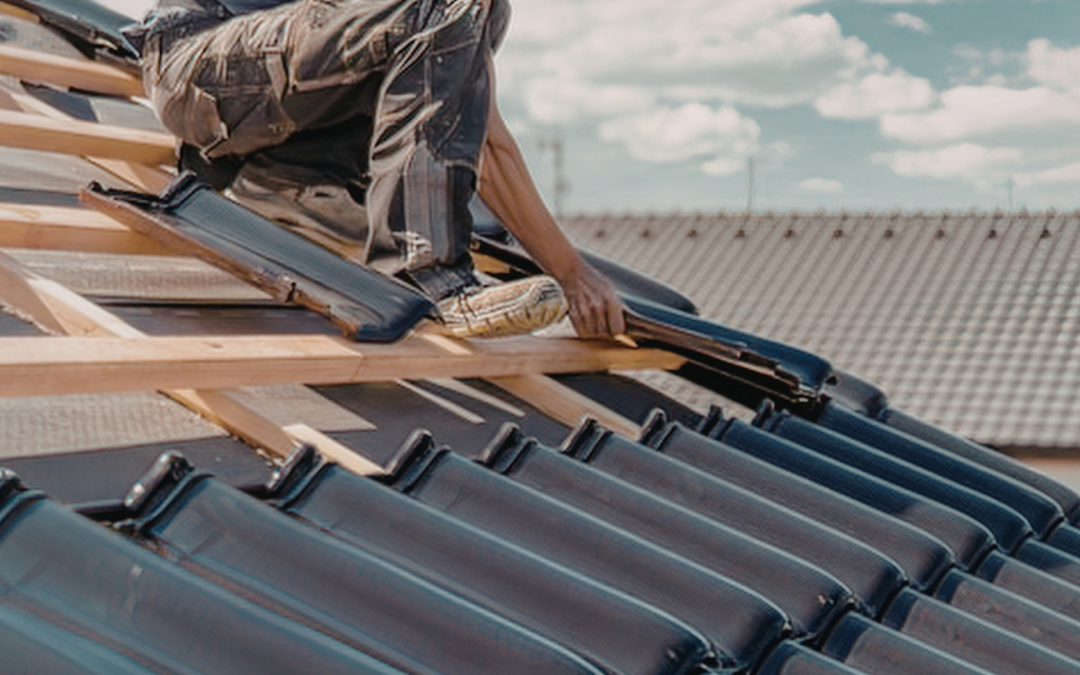
When a powerful storm hits New Jersey, your roof takes the first blow—and delaying repairs can quickly turn a minor issue into a costly disaster. From heavy rain and high winds to snowstorms and hurricanes, the region’s unpredictable weather can cause severe structural damage. Ignoring early warning signs like leaks or missing shingles can lead to mold growth, insulation damage, and even interior destruction. Acting fast with emergency roof repair in NJ not only protects your home but also saves you thousands in long-term repair costs.
Common Types of Storm Damage to Roofs in New Jersey
Storms can impact your roof in multiple ways, and understanding the damage helps you act quickly:
- Wind Damage: Missing or lifted shingles exposing underlayment
- Hail Damage: Cracks, dents, and weakened roofing materials
- Water Damage: Leaks, stains, and moisture buildup
- Fallen Debris: Tree branches causing punctures or structural harm
- Ice Dams: Blocked drainage leading to water seepage
Recognizing these roof storm damage signs early is key to preventing escalation.
First Steps to Take Immediately After Storm Damage
Taking the right steps immediately after a storm can minimize damage and speed up recovery:
- Ensure Safety First – Stay away from unstable areas or exposed wires
- Inspect from Ground Level – Look for visible damage without climbing the roof
- Document Everything – Take photos and videos for insurance claims
- Call Emergency Roofing Services – Get professional help quickly
- Use Temporary Protection – Install a tarp to prevent further water intrusion
Quick action ensures your home stays protected while you arrange permanent repairs.
Signs You Need Emergency Roof Repair Services
Not all damage is obvious, but these warning signs indicate urgent attention is needed:
- Active leaks or water dripping inside your home
- Visible sagging or structural deformation
- Missing, cracked, or curling shingles
- Musty odors indicating mold or mildew
If you notice any of these, don’t wait—urgent roof repair in NJ can prevent structural failure and health risks.
Temporary Fixes vs. Permanent Roof Repairs
| Temporary Fixes | Permanent Repairs |
|---|---|
| Roof tarping | Full shingle replacement |
| Sealants and patches | Structural reinforcement |
| Emergency coverings | Complete roof replacement |
Temporary solutions like tarping are essential to stop immediate damage, but they are not long-term fixes. Investing in permanent repairs ensures durability and peace of mind.
How to Choose the Best Emergency Roofing Contractor in New Jersey
Choosing the right contractor can make all the difference in quality and cost. Look for:
- Licensed and insured professionals
- 24/7 emergency response availability
- Proven experience with NJ weather conditions
- Positive customer reviews and testimonials
- Transparent pricing with no hidden fees
Hiring a trusted emergency roofer near you ensures reliable repairs and faster restoration.
Understanding Insurance Claims for Storm-Damaged Roofs
Navigating insurance claims can feel overwhelming, but proper preparation simplifies the process. Most homeowner policies cover storm-related roof damage, but documentation is critical.
Key steps to follow:
- Take clear photos and videos of all damage
- Keep receipts for temporary repairs
- Contact your insurance provider immediately
- Schedule an inspection with an adjuster
A professional roofing contractor can often assist with the claims process, helping you maximize your coverage.
Cost of Emergency Roof Repair in New Jersey
| Repair Type | Estimated Cost Range |
|---|---|
| Minor repairs | $150 – $800 |
| Moderate repairs | $800 – $3,000 |
| Major repairs/replacement | $5,000+ |
Costs vary depending on damage severity, roofing materials, labor, and urgency. While emergency services may cost more upfront, they prevent far more expensive damage later.
Preventing Future Storm Damage to Your Roof
Proactive maintenance is your best defense against future storms:
- Schedule regular roof inspections
- Clean and maintain gutters
- Install impact-resistant shingles
- Trim overhanging tree branches
- Reinforce flashing and sealing points
These simple steps can significantly extend your roof’s lifespan and reduce repair costs.
Final Thoughts: Act Fast to Protect Your Home and Investment
Storm damage doesn’t wait—and neither should you. Whether it’s a small leak or major structural issue, acting quickly is the key to protecting your home, belongings, and finances. By addressing damage immediately, choosing the right contractor, and understanding your insurance options, you can turn a stressful situation into a manageable one.
If your roof has been hit by a storm, don’t delay—contact a trusted emergency roof repair service in New Jersey today and secure your home before the damage worsens.
Other Posts:
Finding the Best Mold Remediation Services in Union County
Podcast: Play in new window | Download