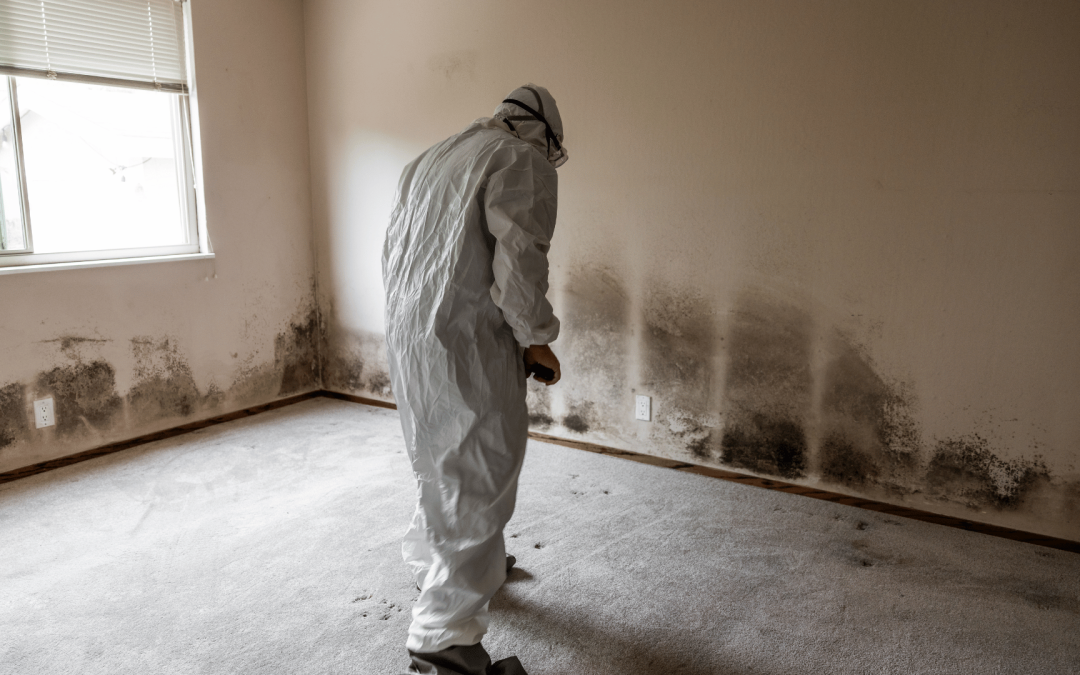
Mold growth can become a serious concern for homeowners and businesses when moisture problems, leaks, flooding, or poor ventilation create the right conditions for it to spread. While small amounts of surface mold may sometimes be manageable, larger or recurring mold problems often require professional attention. Finding reliable mold remediation services in Union County can help property owners identify the source of moisture, address affected areas, and take steps to reduce the possibility of future mold growth. However, not every mold removal company offers the same level of experience, professionalism, or service. Knowing what to look for before hiring a contractor can help you make a more informed decision and protect your property.
Why Professional Mold Remediation Matters for Union County Properties
Mold remediation is about more than simply wiping away visible mold. If moisture remains present or mold has spread into hidden areas, the problem may return even after surface cleaning. Professional mold remediation specialists can evaluate the affected areas, identify potential moisture sources, establish appropriate containment procedures, and determine the best approach for cleaning or removing contaminated materials.
Hiring experienced professionals may provide several advantages, including:
- Identifying visible and potentially hidden mold growth
- Locating moisture and water intrusion sources
- Addressing conditions that encourage recurring mold
- Establishing containment to limit the spread of mold spores
- Cleaning or removing affected materials when necessary
- Helping improve indoor air quality
- Providing recommendations for moisture control and prevention
- Reducing the risk of incomplete or ineffective cleanup
For Union County property owners, acting promptly after water damage or discovering mold can be an important step toward preventing a minor issue from becoming a larger and more expensive problem.
What to Look for When Choosing Mold Remediation Services in Union County
Choosing the right mold remediation company requires more than searching online and selecting the first business that appears in the results. Take time to compare companies based on their experience, qualifications, approach, pricing, and customer service.
1. Experience With Residential and Commercial Mold Problems
A company with relevant experience may be better prepared to handle different types of properties and contamination scenarios. Residential mold problems can involve basements, bathrooms, attics, crawl spaces, and living areas, while commercial buildings may have larger spaces and more complex ventilation systems.
Ask potential contractors about their experience handling situations similar to yours and whether they regularly work with residential, commercial, or both types of properties.
2. Proper Certifications and Professional Training
Before hiring a mold remediation contractor, ask about relevant training, certifications, and professional qualifications. A reputable company should be able to explain the standards and procedures it follows during inspection, containment, cleanup, and remediation.
Do not hesitate to ask for documentation or clarification if a company makes claims about certifications or specialized expertise.
3. Comprehensive Mold Inspection and Assessment
A professional approach should begin with understanding the extent of the problem. The company should assess visible mold, potential hidden growth, moisture conditions, and the possible source of the issue.
A thorough assessment can help determine whether the problem is related to a plumbing leak, roof damage, flooding, condensation, humidity, or another moisture source.
Mold Inspection vs. Mold Testing: What Is the Difference?
Homeowners often use the terms mold inspection, mold testing, and mold remediation interchangeably, but they refer to different services. Understanding the distinction can help you determine what your property actually needs.
| Service | Main Purpose | When It May Be Needed |
|---|---|---|
| Mold Inspection | Evaluates visible mold, moisture conditions, and potential problem areas | When mold is suspected or visible |
| Mold Testing | Collects samples to provide information about mold types or concentrations | When testing is considered appropriate for the situation |
| Moisture Inspection | Helps identify leaks, dampness, humidity, or other moisture sources | When moisture is suspected to be causing mold growth |
| Mold Remediation | Addresses mold contamination through appropriate cleaning, removal, and corrective measures | When professional remediation is necessary |
| Post-Remediation Verification | Helps assess whether remediation objectives have been achieved | After remediation work is completed, when recommended |
Signs You May Need Professional Mold Removal
Mold is not always easy to identify, particularly when it develops behind walls, underneath flooring, or in other difficult-to-access areas. Certain warning signs may indicate that it is time to seek professional assistance.
Look for:
- A persistent musty or earthy odor
- Visible mold on walls, ceilings, or other surfaces
- Mold that keeps returning after cleaning
- Recent flooding or significant water damage
- Persistent plumbing leaks
- Damp basements or crawl spaces
- Excessive indoor humidity
- Condensation around windows or pipes
- Water stains or unexplained discoloration
- Suspected mold behind walls or under flooring
- Previous water intrusion that was not properly dried
- Mold growth in poorly ventilated bathrooms or other damp areas
If you notice recurring mold, identifying and correcting the moisture source should be a priority. Professional assessment can help determine the extent of the issue and the appropriate next steps.
Understanding the Mold Remediation Process
Professional mold remediation typically involves several stages. The exact process can vary depending on the property’s size, the extent of contamination, and the materials involved.
Step 1: Property Inspection
The process generally begins with an assessment of the affected areas. Professionals may examine visible mold, moisture conditions, water damage, and areas where hidden growth could potentially exist.
Step 2: Identify the Moisture Source
Mold requires moisture to grow. Therefore, addressing the underlying cause is an important part of an effective remediation strategy. Potential causes can include leaks, flooding, condensation, or excessive humidity.
Step 3: Contain the Affected Area
Depending on the situation, professionals may establish containment measures designed to limit the spread of mold spores to unaffected areas during remediation.
Step 4: Mold Removal and Cleaning
The appropriate remediation method depends on the type of material affected and the extent of the contamination. Some materials may be cleaned, while others that cannot be effectively restored may require removal.
Step 5: Drying and Moisture Control
After addressing the affected area, proper drying and moisture control are essential. Dehumidification and improved ventilation may be recommended when humidity contributes to the problem.
Step 6: Final Inspection and Prevention
Once the remediation work is complete, the property may be evaluated to determine whether the work has met the intended objectives. Professionals may also recommend ways to manage moisture and reduce the likelihood of future mold growth.
How Much Do Mold Remediation Services in Union County Cost?
The cost of professional mold remediation can vary significantly from one property to another. There is no single price that applies to every mold removal project because several factors can influence the total cost.
These may include:
- The size of the affected area
- The extent of mold contamination
- The location of the mold
- The accessibility of affected spaces
- The type of building materials involved
- The amount of water damage present
- The source and severity of the moisture problem
- The level of containment required
- Whether damaged materials need to be removed and replaced
- Additional inspection, testing, or verification services
The best approach is to request a detailed written estimate from qualified companies. Compare the scope of work, included services, experience, and proposed remediation methods rather than automatically choosing the lowest price.
Common Mistakes to Avoid When Hiring a Mold Remediation Company
Choosing the wrong contractor can result in incomplete work, recurring mold growth, or unexpected expenses. Property owners should be cautious of companies that provide vague answers or make unrealistic promises.
Avoid These Common Mistakes:
- Choosing a company based only on the lowest price
- Hiring a contractor without checking qualifications
- Ignoring customer reviews and references
- Skipping a proper property assessment
- Failing to identify the source of moisture
- Accepting an unclear or verbal estimate
- Hiring a company that cannot explain its remediation process
- Assuming surface cleaning will solve a recurring mold problem
- Failing to ask what is included in the final price
- Not discussing follow-up recommendations and prevention
A professional mold remediation company should be transparent about the work it recommends and explain why specific services may be necessary.
Why Local Mold Remediation Experts Can Be a Smart Choice
Working with a local mold remediation company can offer practical advantages for Union County homeowners and businesses. Local professionals may be able to respond more quickly to urgent situations and provide convenient scheduling for inspections and follow-up visits.
Some potential benefits include:
- Faster response to urgent mold and moisture problems
- Convenient local scheduling
- Easier communication with the service provider
- Familiarity with common local property types
- More accessible follow-up services
- A better understanding of regional weather and moisture concerns
When searching for mold remediation Union County NJ, focus on companies that demonstrate experience, professionalism, transparency, and a clear understanding of the specific needs of your property.
Final Checklist for Finding the Best Mold Remediation Services in Union County
Finding the right mold remediation company takes a little research, but the effort can help you make a more informed decision. Before hiring a contractor, make sure you consider the following:
☐ Relevant professional training and certifications
☐ Experience with residential or commercial properties
☐ Thorough inspection and moisture assessment
☐ Clear written remediation plan
☐ Transparent, itemized estimate
☐ Appropriate containment and cleanup procedures
☐ Attention to the underlying moisture source
☐ Positive customer reviews and references
☐ Clear communication throughout the project
☐ Recommendations for preventing future mold growth
If you have discovered visible mold, noticed a persistent musty odor, or recently experienced water damage, do not ignore the problem. The sooner you identify the source of moisture and determine the extent of the issue, the sooner you can take appropriate action. By comparing qualified mold remediation services in Union County based on experience, professionalism, process, and transparency—not simply price—you can choose a service provider with greater confidence and take an important step toward maintaining a cleaner, healthier, and better-protected property.
Don’t wait for a small mold issue to become a bigger, more expensive problem. Schedule your professional mold inspection today and request a free, no-obligation estimate to get started with reliable mold remediation services in Union County!