Mold can become a serious concern for homeowners when moisture problems are left untreated. Whether mold appears in a basement, attic, bathroom, crawl space, or behind a wall, professional remediation may be necessary to remove the contamination and address the source of moisture. But how much should homeowners expect to pay? The mold remediation cost in Union County, NJ can vary depending on the size of the affected area, severity of the growth, location, materials involved, and amount of cleanup required. Understanding these factors can help homeowners prepare for an inspection and make better decisions when comparing remediation estimates.
What Is the Average Mold Remediation Cost in Union County, NJ?
There is no single price for every mold remediation project. Small, localized problems may require relatively limited cleanup, while extensive contamination can involve containment, removal of damaged materials, HEPA filtration, drying, and repairs.
Some projects may cost several hundred dollars, while larger professional remediation projects can reach several thousand dollars. The best way to determine the actual mold removal cost in Union County is to have the property inspected and receive a detailed estimate based on the affected area.
| Mold Remediation Situation | Potential Cost Level | Common Services |
|---|---|---|
| Small localized growth | Lower | Cleaning and treatment |
| Moderate contamination | Moderate | Containment, removal, HEPA cleaning |
| Extensive mold growth | Higher | Large-scale removal and remediation |
| Mold with water damage | Higher | Drying, removal, cleaning, repairs |
| Hidden or structural mold | Higher | Material removal and reconstruction |
These categories are general planning guidelines rather than fixed prices. A professional inspection is necessary to determine the actual scope of work.
What Factors Affect Mold Remediation Cost?
Several factors can influence the final price of professional mold remediation in Union County. Two homes with apparently similar mold problems may receive very different estimates because the underlying conditions are not the same.
The most important cost factors include:
- Size of the affected area: Larger areas generally require more labor, equipment, and containment.
- Severity of mold growth: Extensive or deeply established contamination can require more intensive remediation.
- Location: Attics, crawl spaces, basements, and difficult-to-access areas may require additional labor.
- Affected materials: Drywall, insulation, carpeting, and other porous materials may need removal.
- Moisture source: Leaks, flooding, condensation, and high humidity must be addressed.
- Hidden mold: Mold behind walls or ceilings can increase the scope of the project.
- HVAC contamination: Suspected mold within heating or cooling systems may require specialized attention.
- Post-remediation testing: Some homeowners may choose additional testing or verification after cleanup.
Does Mold Inspection and Testing Add to the Cost?
A mold inspection and mold remediation are two different services. An inspection generally focuses on identifying visible mold, moisture problems, and areas that may require further investigation. Testing may involve air or surface sampling when appropriate.
Mold testing is not automatically necessary for every visible mold problem. However, it can be useful when the source or extent of contamination is uncertain. For example, persistent musty odors, previous flooding, hidden moisture, or unexplained symptoms among occupants may lead a homeowner to investigate further.
When comparing mold remediation companies in Union County, ask whether inspection, testing, remediation, and follow-up services are included separately in the estimate.
How Does the Location of Mold Affect the Price?
The location of mold can significantly affect both labor requirements and remediation methods.
Basement Mold Remediation
Basements are vulnerable to water intrusion, foundation seepage, flooding, and high humidity. If mold has spread across drywall, flooring, insulation, or stored materials, those items may need to be removed before thorough cleaning.
Attic Mold Removal
Attic mold can develop because of roof leaks, poor ventilation, condensation, or inadequate insulation. If contaminated insulation must be removed and replaced, the overall project cost may increase.
Crawl Space Mold Remediation
Crawl spaces can be challenging because of restricted access and poor ventilation. Professionals may need additional containment and specialized equipment to work safely and effectively.
Mold Behind Walls or Ceilings
Hidden mold can be more complicated because the visible growth may represent only part of the problem. Damaged drywall, insulation, or other porous materials may need to be removed before the affected area can be properly cleaned.
What Is Included in Professional Mold Remediation?
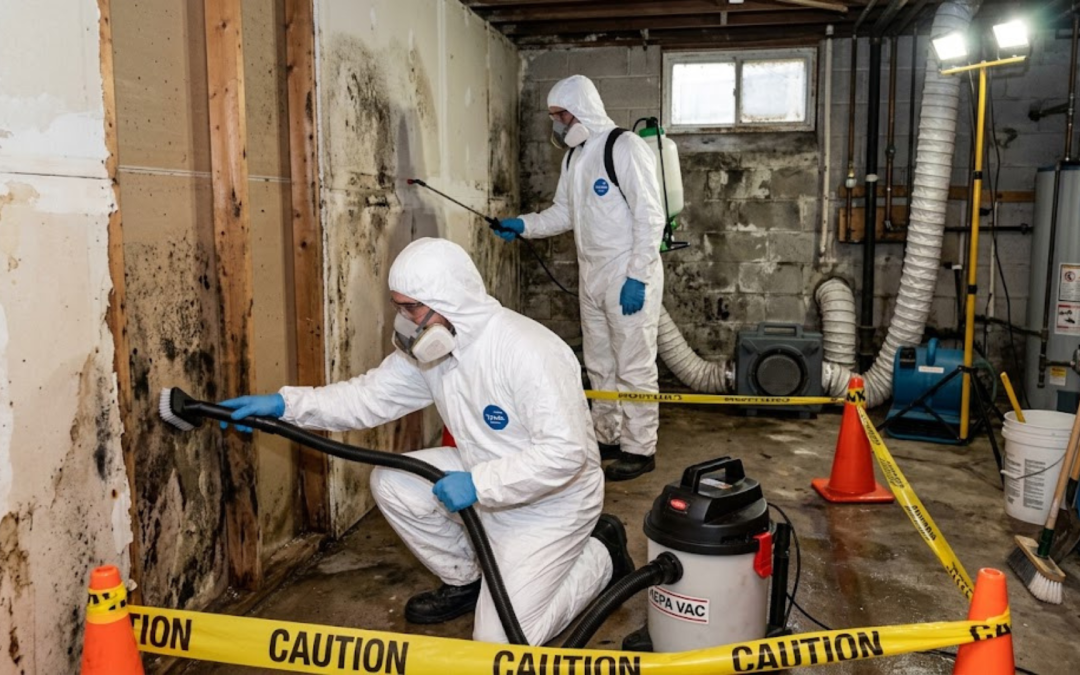
Professional mold remediation involves more than simply spraying a chemical on visible mold. A comprehensive project generally addresses both the contamination and the moisture conditions that allowed it to develop.
A typical remediation process may include:
- Property inspection and assessment
- Identification of the moisture source
- Containment of affected areas
- Removal of contaminated materials
- HEPA vacuuming and detailed cleaning
- Moisture control and drying
- Proper disposal of damaged materials
- Cleaning of surrounding surfaces
- Final inspection or verification when appropriate
The exact process depends on the property’s condition and the extent of contamination.
Can Water Damage Increase Mold Remediation Costs?
Water damage and mold growth often go hand in hand. A leaking pipe, damaged roof, flooding, foundation moisture, or plumbing failure can leave building materials damp long enough for mold to develop.
If the water problem has damaged drywall, insulation, flooring, or other materials, remediation may involve both mold removal and restoration work. Simply removing visible mold without fixing the underlying moisture problem can allow the contamination to return.
For this reason, homeowners should ask contractors to identify the source of moisture before approving remediation work.
DIY Mold Removal vs. Professional Remediation
Small areas of surface mold may sometimes be manageable by homeowners, particularly when the moisture source has already been corrected. However, larger or recurring problems can require professional equipment and containment.
| DIY Mold Cleanup | Professional Remediation |
|---|---|
| Lower upfront expense | Higher initial investment |
| Suitable for some small areas | Better for larger contamination |
| Basic household equipment | Specialized remediation equipment |
| Limited ability to detect hidden mold | Professional assessment |
| Homeowner handles cleanup | Trained professionals manage the process |
The goal should not simply be to make mold disappear from view. Effective remediation should address the contamination and the conditions that caused it.
How to Choose a Mold Remediation Company in Union County, NJ
Choosing a contractor based solely on the lowest quote can create problems later. Homeowners should compare the scope of work and qualifications behind each estimate.
Look for a company that provides:
- A detailed written estimate
- Clear explanation of the remediation process
- Experience with residential mold problems
- Proper containment procedures
- Appropriate filtration and cleaning equipment
- Moisture-source identification
- References or customer reviews
- Transparent pricing
- Clear information about follow-up inspections or testing
Ask questions before signing a contract, particularly if the estimate includes additional charges for material removal, testing, repairs, or unexpected contamination.
How Can You Reduce Mold Remediation Costs?
Preventing mold growth is usually easier and less expensive than dealing with extensive contamination. Homeowners can reduce future problems by controlling moisture and responding quickly to water damage.
Consider these preventive steps:
- Repair plumbing and roof leaks promptly.
- Keep indoor humidity under control.
- Use a dehumidifier in damp areas.
- Improve bathroom and attic ventilation.
- Address basement water intrusion.
- Dry wet materials as quickly as possible.
- Inspect areas after flooding or significant leaks.
- Maintain proper drainage around the property.
Early action can prevent a small moisture issue from developing into a larger mold remediation project.
Final Thoughts: Getting an Accurate Mold Remediation Estimate
The mold remediation cost in Union County, NJ depends on several factors, including the size of the affected area, severity of contamination, location, damaged materials, moisture source, and required remediation methods. Rather than relying on a generic price, homeowners should schedule a professional assessment and request an itemized estimate.