Mold can become a serious concern for homeowners when excess moisture is left untreated. What may begin as a small patch in a basement, bathroom, or around a window can spread to other areas if the underlying moisture problem is not addressed. Knowing the signs you need mold removal can help Westfield homeowners take action before mold affects more of the property. From musty odors and visible growth to recurring moisture problems, several warning signs should not be ignored.
Professional mold removal in Westfield can help identify the source of mold, determine the extent of the problem, and restore affected areas. Understanding when professional help is necessary is an important part of protecting your property and maintaining a cleaner indoor environment.
Why Mold Develops in Westfield Homes
Mold requires moisture, a food source, and suitable environmental conditions to grow. Homes can experience moisture problems for many reasons, including plumbing leaks, roof leaks, flooding, condensation, and poor ventilation. Basements, crawl spaces, bathrooms, kitchens, and areas around windows can be particularly vulnerable.
Some common causes of indoor mold growth include:
- Leaking pipes or plumbing fixtures
- Basement water intrusion
- Roof or gutter leaks
- Flooding and water damage
- High indoor humidity
- Poor bathroom ventilation
- Condensation around windows and pipes
- Damp crawl spaces
- Delayed drying after water damage
Simply cleaning visible mold may not solve the problem if moisture continues to enter the area. Finding and correcting the source of moisture is essential for effective mold remediation.
10 Signs You May Need Mold Removal
1. You Notice a Persistent Musty Odor
One of the most common signs of a potential mold problem is a persistent musty or damp smell. You may notice it in a basement, closet, bathroom, crawl space, or another poorly ventilated area. If the odor remains even after cleaning and airing out the room, it may be worth investigating for hidden mold.
2. You See Visible Mold Growth
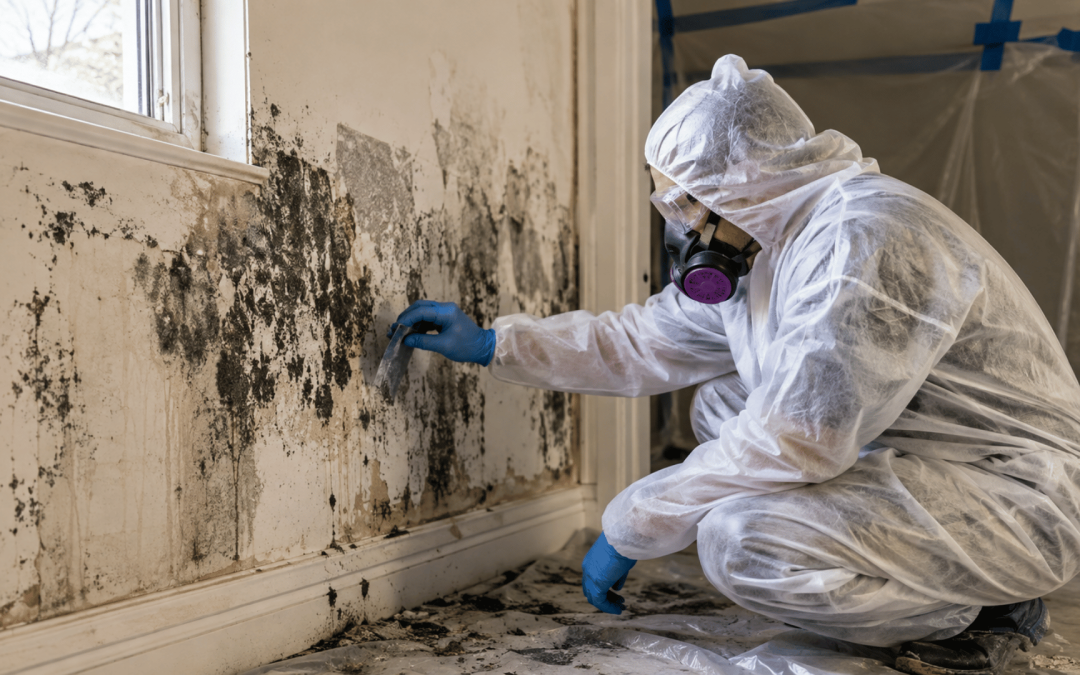
Visible mold is an obvious warning sign. Mold can appear as black, green, white, gray, or brown spots and may have a fuzzy or powdery appearance. It can develop on walls, ceilings, flooring, wood, fabrics, and other materials.
Painting over mold or simply wiping the surface may not address the underlying issue. If mold continues to appear, professional mold remediation in Westfield, NJ may be necessary.
3. Your Property Has Experienced Water Damage
Recent flooding, a burst pipe, roof leak, or appliance leak can create conditions where mold develops. Wet materials should be dried as quickly as possible. The EPA recommends drying wet materials within 24–48 hours when possible to help prevent mold growth.
If water has affected drywall, insulation, flooring, or other porous materials, a professional assessment can help determine whether mold remediation is required.
4. Mold Keeps Coming Back
Recurring mold is an important warning sign. If you clean an area and mold returns repeatedly, there may be an unresolved moisture problem behind the visible growth.
The source could be a leaking pipe, condensation, poor drainage, inadequate ventilation, or moisture inside a wall. Professional mold inspection services can help identify conditions contributing to recurring growth.
5. You See Water Stains or Discoloration
Water stains can indicate current or previous moisture intrusion. Brown or yellow marks on ceilings and walls, peeling paint, bubbling wallpaper, warped drywall, or soft materials should be investigated.
These signs do not automatically prove that mold is present, but they indicate that moisture may have entered the building materials and created favorable conditions for mold.
6. Your Home Has Excessive Humidity or Condensation
High indoor humidity can contribute to mold growth, particularly when moisture accumulates on cold surfaces. Condensation around windows, pipes, walls, and HVAC components can indicate that moisture levels need attention.
The EPA recommends maintaining indoor relative humidity below 60%, with an ideal range of 30% to 50%, when possible. Dehumidifiers, ventilation, and prompt repairs can help control moisture.
7. You Suspect Mold Behind Walls or Under Flooring
Mold does not always grow where you can see it. It can develop behind drywall, underneath flooring, inside cabinets, around pipes, or in crawl spaces.
A persistent musty odor combined with previous water damage can be a reason to investigate for hidden mold. Avoid unnecessarily opening walls or removing building materials yourself, especially when the extent of contamination is unknown.
8. Mold Is Found Around HVAC Components
Mold or suspected contamination around heating, ventilation, or air-conditioning components deserves particular attention. HVAC systems can potentially distribute contaminants through different areas of a property.
If you suspect mold inside an HVAC system, professional evaluation is recommended rather than simply operating the system and hoping the problem disappears.
9. You Notice Ongoing Moisture Problems
Repeated leaks, damp basements, wet crawl spaces, condensation, or drainage problems can create an environment where mold repeatedly develops.
If moisture problems are ongoing, mold removal should be approached as more than a surface-cleaning project. The moisture source should also be identified and corrected.
10. Mold Growth Covers a Large Area
Small isolated areas may sometimes be addressed by homeowners using appropriate safety precautions. However, larger areas of mold growth, extensive water damage, contaminated materials, or suspected HVAC contamination can require professional assistance.
The EPA generally recommends considering professional help when mold affects more than approximately 10 square feet or when significant water damage is involved.
Mold Removal vs. Mold Remediation
Although the terms are often used interchangeably, mold remediation generally describes a broader process than simply removing visible mold. Professional remediation may involve identifying moisture sources, containing affected areas, removing damaged materials, cleaning surfaces, drying the property, and taking steps to prevent recurrence.
| Situation | What It May Indicate | Recommended Approach |
|---|---|---|
| Small isolated spot | Limited surface growth | Assess moisture and follow safe cleanup guidance |
| Recurring mold | Unresolved moisture | Professional assessment |
| Musty odor with no visible mold | Possible hidden mold | Consider inspection |
| Extensive mold growth | Larger contamination | Professional remediation |
| Mold after flooding | Significant moisture exposure | Prompt evaluation |
| Mold near HVAC | Potential system contamination | Professional assessment |
| Damaged drywall or insulation | Porous material affected | Professional evaluation |
When Should You Hire a Professional?
Professional mold removal services can be particularly valuable when the problem is extensive, recurring, or difficult to locate. Consider contacting an experienced mold remediation company if:
- Mold continues returning after cleaning.
- You cannot identify the moisture source.
- The affected area is extensive.
- Mold may be behind walls or underneath flooring.
- Your property has experienced significant flooding.
- Sewage-contaminated water caused the damage.
- HVAC contamination is suspected.
- Drywall, insulation, or other porous materials are affected.
A professional can assess the situation and recommend an appropriate remediation strategy instead of simply treating the visible surface.
How to Prevent Mold From Returning
Once mold has been addressed, prevention should remain a priority. Homeowners can reduce the risk of future growth by controlling moisture and responding quickly to leaks.
Important prevention steps include:
- Repair plumbing and roof leaks promptly.
- Keep indoor humidity under control.
- Use exhaust fans in bathrooms and kitchens.
- Dry wet materials as soon as possible.
- Monitor basements and crawl spaces for moisture.
- Maintain gutters and drainage systems.
- Reduce condensation around windows and pipes.
- Address water damage promptly.
- Keep HVAC systems properly maintained.
- Inspect areas that have experienced previous moisture problems.
Choose Professional Mold Removal in Westfield
Musty odors, visible mold, recurring growth, water stains, and previous water damage are all reasons to take a closer look at your property. Ignoring these warning signs can allow a moisture-related problem to become more extensive and potentially increase the amount of restoration required. If you are experiencing signs of mold in your Westfield home or business, professional mold removal in Westfield can help identify the problem and determine the right course of action. Don’t wait for mold growth to spread—contact a qualified mold remediation professional for an assessment and take the first step toward a cleaner, drier, and better-maintained property.