
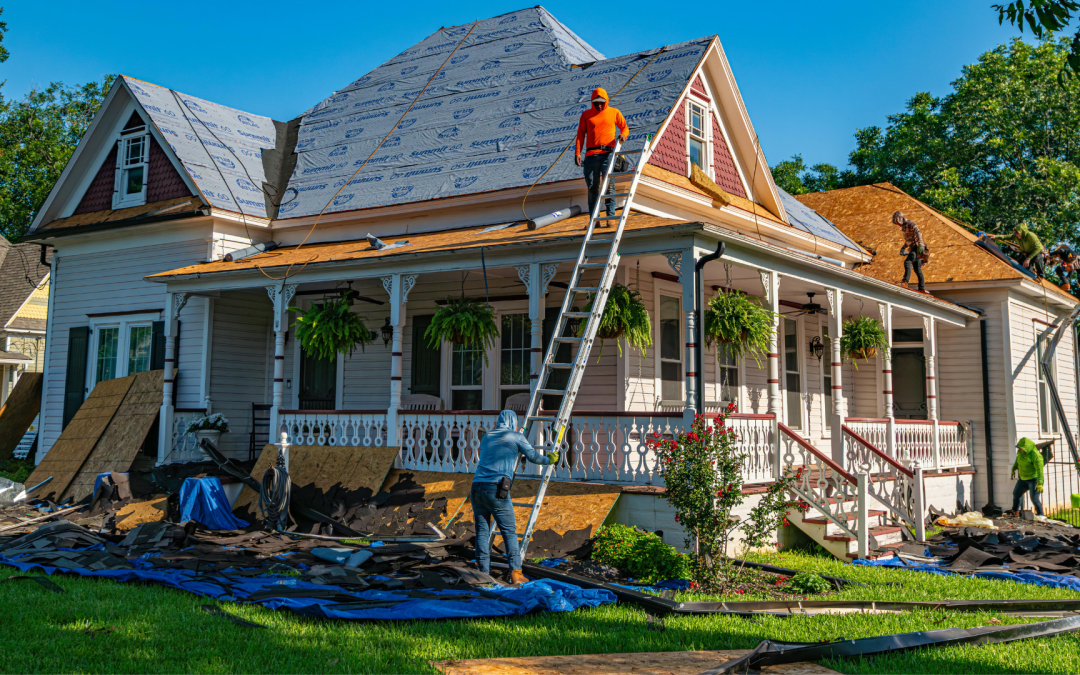
Harsh winter conditions can take a serious toll on your roof, leaving behind hidden damage that worsens over time. Snow buildup, ice dams, and freezing temperatures often lead to cracks, leaks, and weakened roofing materials. As spring arrives, it becomes crucial to perform a thorough spring roof maintenance routine to prevent costly repairs. A proactive approach helps extend your roof’s lifespan while ensuring your home stays safe and energy-efficient.
Common Types of Winter Roof Damage Homeowners Should Look For
Winter weather can cause several types of structural and surface-level roof damage that often go unnoticed. Identifying these issues early is key to avoiding expensive repairs and maintaining your home’s integrity. Regular inspections can reveal signs of wear that require immediate attention.
Signs of Winter Roof Damage
-
Missing or broken shingles
-
Curling or cracked shingles
-
Ice dam residue
-
Water stains on ceilings
-
Mold or mildew growth
-
Sagging roof areas
-
Damaged flashing
-
Clogged or broken gutters
-
Granule loss on shingles
-
Roof leaks after snow melts
-
Peeling paint near roofline
-
Drafts in attic spaces
-
Wet insulation
-
Rusted roof components
-
Debris accumulation
Spring Roof Inspection Checklist for Homeowners
A detailed roof inspection checklist helps you evaluate the condition of your roof after winter. Start with a visual inspection from the ground and then move to more detailed areas like the attic and gutters. Consistent inspections help detect minor issues before they escalate.
Inspection Checklist
-
Inspect shingles for damage
-
Check attic for leaks
-
Examine flashing around chimneys
-
Look for mold or moisture
-
Inspect vents and skylights
-
Check for sagging spots
-
Review gutter condition
-
Look for debris buildup
-
Inspect roof edges
-
Check downspouts for blockages
How to Safely Clean Your Roof and Gutters
Cleaning your roof and gutters in spring is essential to remove debris and prevent water buildup. Proper cleaning improves drainage and reduces the risk of leaks and structural damage. Always prioritize safety when performing maintenance tasks.
Roof & Gutter Cleaning Steps
-
Remove loose debris with a soft brush
-
Use a garden hose for gentle cleaning
-
Clean gutters thoroughly
-
Flush downspouts
-
Remove moss or algae buildup
Safety Tips
-
Use a sturdy ladder
-
Wear non-slip shoes
-
Use safety harness if needed
-
Avoid working in wet conditions
-
Consider professional help for steep roofs
Identifying and Fixing Minor Roof Repairs Early
Addressing small issues quickly can prevent major roofing problems later. Minor repairs are often inexpensive and can significantly extend the life of your roof. Early action also helps maintain your home’s structural safety.
Common Minor Repairs
-
Replace missing shingles
-
Seal small leaks
-
Fix loose flashing
-
Repair gutter joints
-
Patch small holes
When to Call a Professional Roofing Contractor
While DIY maintenance is helpful, some roofing issues require expert attention. Hiring a professional ensures accurate diagnosis and safe repairs. Complex problems like structural damage or persistent leaks should never be handled alone.
DIY vs Professional Roof Repair
| Task | DIY | Professional |
|---|---|---|
| Shingle replacement | ✔ | ✔ |
| Leak detection | Limited | Advanced |
| Structural repair | ✘ | ✔ |
| Safety level | Moderate risk | Low risk |
Preventing Future Winter Roof Damage
Preventive maintenance is the best way to avoid recurring roof issues each winter. Taking proactive steps can protect your home from harsh weather conditions and costly repairs. A well-maintained roof performs better year-round.
Prevention Tips
-
Improve attic insulation
-
Ensure proper ventilation
-
Clean gutters regularly
-
Trim overhanging branches
-
Install ice and water shields
-
Schedule annual inspections
-
Remove snow buildup
-
Seal roof penetrations
-
Maintain flashing
-
Check attic airflow
-
Install gutter guards
-
Repair minor issues promptly
-
Keep roof debris-free
-
Monitor weather damage
-
Upgrade roofing materials if needed
Importance of Roof Ventilation and Insulation
Proper roof ventilation and insulation play a vital role in preventing moisture buildup and ice dams. Good airflow helps regulate temperature, reducing stress on roofing materials. This not only improves energy efficiency but also enhances overall roof durability.
Seasonal Roof Maintenance Schedule for Year-Round Protection
Following a seasonal maintenance plan ensures your roof stays in optimal condition throughout the year. Regular upkeep minimizes the risk of unexpected damage and extends the roof’s lifespan.
Maintenance Schedule
| Season | Maintenance Tasks |
|---|---|
| Spring | Inspection, cleaning, minor repairs |
| Summer | Deep repairs, coating, ventilation check |
| Fall | Gutter cleaning, winter prep |
| Winter | Monitor snow and ice buildup |
Conclusion: Protect Your Roof and Extend Its Lifespan
Spring is the perfect time to assess and restore your roof after the challenges of winter. By following these spring roof maintenance tips, homeowners can prevent leaks, improve efficiency, and avoid costly repairs. Regular inspections, timely repairs, and proper cleaning all contribute to a stronger, longer-lasting roof. Investing in seasonal maintenance today ensures your home remains protected in every season
Contact Deegan Roofing Today
Ready to explore whether solar shingles are worth it for your NJ home? Contact Deegan Roofing today for a free consultation. We’ll evaluate your roof, discuss your energy goals, and help you choose the best solar solution for your property.
📞 Phone: (908) 322-6405
✉️ Email: info@deeganroofing.com
📍 Address: 61 Terrill Rd, Scotch Plains, NJ 07076
🌐 Website: www.deeganroofing.com
🛠️ Serving: New Jersey and surrounding areas