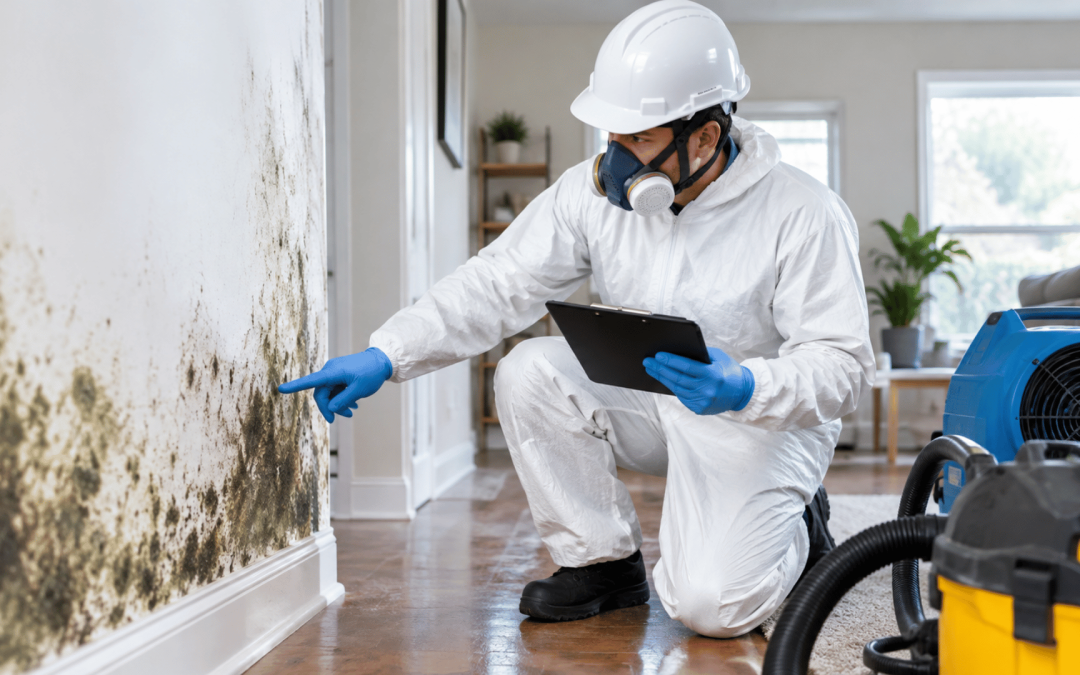
Mold can become a serious concern for homeowners when moisture problems are left untreated. A small patch of visible mold may sometimes be manageable, but larger growth, recurring mold, hidden contamination, or mold associated with water damage can require professional attention. For homeowners searching for Westfield mold remediation services, hiring an experienced professional can provide a more thorough and controlled approach to identifying the source, containing the affected area, and removing contaminated materials. Professional mold remediation is not simply about cleaning what can be seen; it is also about addressing the moisture conditions that allow mold to grow in the first place.
Why Mold Can Become a Serious Problem in Westfield Homes
Mold thrives in damp environments and can develop after plumbing leaks, roof leaks, flooding, basement moisture, condensation, or excessive indoor humidity. It can grow on drywall, wood, carpeting, insulation, and other materials when sufficient moisture is present. In some cases, mold may be hidden behind walls, under flooring, or around plumbing, making it difficult for homeowners to determine the full extent of the problem.
Ignoring mold can also allow the affected area to become larger over time. Simply wiping away visible growth may not solve the underlying moisture issue, meaning mold can return. Professional mold remediation in Westfield, NJ focuses on identifying the source of moisture, addressing affected areas, and taking steps to reduce the likelihood of recurring growth.
7 Reasons to Hire Professional Mold Remediation Services
1. Professionals Can Identify the Source of Mold
One of the biggest advantages of professional mold remediation is identifying why mold developed. Mold is often a symptom of an underlying moisture problem rather than an isolated issue.
Professionals can investigate potential sources such as leaking pipes, roof damage, poor ventilation, condensation, basement moisture, or previous water damage. Addressing the source is essential because removing mold without correcting the moisture problem can allow it to return.
2. They Can Find Hidden Mold
Visible mold may not represent the entire problem. Mold can develop in places that are difficult to inspect without professional experience.
Common hidden locations include:
- Behind drywall and wallpaper
- Under flooring and carpets
- Around plumbing fixtures
- Inside wall cavities
- Above ceilings
- Around HVAC components
- Behind cabinets and other fixtures
A professional assessment can help determine whether the problem extends beyond the area that is immediately visible.
3. Professional Equipment Supports More Effective Cleanup
Professional remediation companies have access to specialized equipment designed for moisture assessment, containment, drying, and filtration. Depending on the situation, this may include moisture meters, HEPA filtration equipment, commercial dehumidifiers, air filtration systems, and appropriate protective equipment.
Using the right equipment can make the remediation process more systematic. It can also help professionals determine whether affected materials are adequately dry before the project is considered complete.
4. Professionals Can Help Prevent Mold From Spreading
Improperly disturbing mold can potentially spread contaminated particles into other areas of a property. This is particularly important when mold is present across a large area or within building materials.
A professional remediation process may involve:
- Assessing the affected area.
- Establishing appropriate containment.
- Protecting unaffected areas.
- Removing contaminated materials when necessary.
- Cleaning affected surfaces.
- Drying areas thoroughly.
- Addressing the moisture source.
This controlled approach helps keep the remediation process focused on the affected areas rather than unnecessarily disturbing surrounding parts of the property.
5. They Can Address Mold After Water Damage
Water damage and mold growth frequently go hand in hand. A burst pipe, leaking roof, flooding, or appliance leak can leave materials wet long enough for mold to develop.
Professional water damage and mold remediation can address both sides of the problem. First, affected areas need to be properly dried and the source of water needs to be corrected. Then, any resulting mold contamination can be evaluated and remediated appropriately.
Acting quickly after water damage is especially important because prolonged moisture creates favorable conditions for mold growth.
6. Professional Remediation Can Support Better Indoor Air Quality
Mold contamination can affect more than the surface where it appears. Improper cleaning may disturb mold and potentially distribute particles into surrounding areas.
Professional remediation uses appropriate containment and cleaning procedures to manage the affected area. Depending on the situation, air filtration equipment may also be used during the remediation process.
The goal is not simply to make mold disappear visually but to address the contamination systematically while reducing unnecessary spread throughout the property.
7. Professionals Can Reduce the Risk of Recurring Problems
Recurring mold is a sign that something may still be wrong. If homeowners repeatedly clean the same area without identifying the source of moisture, the mold may continue to return.
Professional mold removal services can take a broader approach by looking at moisture conditions, affected materials, ventilation, and other contributing factors. Once the underlying issue is corrected, homeowners can take preventive measures to reduce the possibility of future mold growth.
DIY Mold Removal vs. Professional Mold Remediation
Not every mold situation requires professional intervention. Small areas of surface mold may sometimes be handled by homeowners. However, larger contamination, extensive water damage, hidden mold, or recurring growth can make professional assistance a better choice.
| Factor | DIY Mold Cleanup | Professional Remediation |
|---|---|---|
| Small surface area | May be suitable | Available when needed |
| Large mold growth | Difficult to manage | Better suited |
| Hidden mold | Difficult to locate | Professional assessment |
| Moisture detection | Limited | Specialized equipment |
| Containment | Usually limited | Controlled procedures |
| Water-damage situations | May require additional work | Can address related issues |
| Recurring mold | Cause may remain unidentified | Focuses on underlying problems |
If the affected area is extensive or the property has experienced significant water damage, consulting a qualified professional can help determine the appropriate course of action.
What Does Professional Mold Remediation in Westfield Typically Involve?
A professional remediation project generally begins with an assessment of the property. The professional looks for visible mold, moisture, water damage, musty odors, and areas where hidden growth could potentially exist.
The next step is identifying the moisture source. Once the cause has been addressed, the remediation plan can focus on containment, cleaning, drying, and removal of materials that cannot be effectively restored.
After remediation, affected areas should be evaluated to ensure moisture problems and visible mold have been appropriately addressed. The exact process can vary depending on the size and location of the contamination.
When Should Westfield Homeowners Call a Mold Remediation Professional?
Consider professional assistance if you notice:
- Mold covering a large area
- Mold that keeps returning
- A persistent musty odor
- Significant flooding or water damage
- Suspected mold behind walls or ceilings
- Mold associated with HVAC components
- Extensive damage to porous materials
- Moisture problems that have not been resolved
- Uncertainty about how extensive the mold problem is
Taking action early can help prevent a manageable moisture problem from becoming a much larger remediation project.
How to Choose the Right Mold Remediation Company in Westfield, NJ
Choosing the right company is an important part of protecting your property. Homeowners should look for a professional with experience handling residential mold problems and water-damage-related contamination.
Before hiring a company, consider:
- Experience with mold remediation
- Clear explanation of the proposed work
- Knowledge of moisture control
- Proper containment and safety procedures
- Transparent pricing
- Positive customer reviews and references
- Appropriate professional training
- Experience with water damage
- A clear plan for addressing the moisture source
Avoid choosing a provider based solely on the lowest price. A thorough remediation process should focus on resolving the cause of the problem rather than simply removing visible mold.
Preventing Mold Growth After Remediation
Professional remediation is only part of long-term mold prevention. Homeowners should continue monitoring areas that are vulnerable to moisture and respond quickly when leaks or water damage occur.
Simple preventive measures include:
- Repairing plumbing leaks promptly
- Controlling indoor humidity
- Improving bathroom and kitchen ventilation
- Addressing basement moisture
- Maintaining proper drainage around the property
- Inspecting areas affected by previous water damage
- Drying wet materials as quickly as possible
- Monitoring areas prone to condensation
These steps can help create a less favorable environment for future mold growth.
Get Professional Help With Mold Problems in Westfield
Mold should not be ignored, especially when it is extensive, recurring, hidden, or connected to water damage. Professional Westfield mold remediation services can help homeowners understand the extent of the problem, identify moisture sources, manage affected areas, and develop an appropriate remediation plan.