
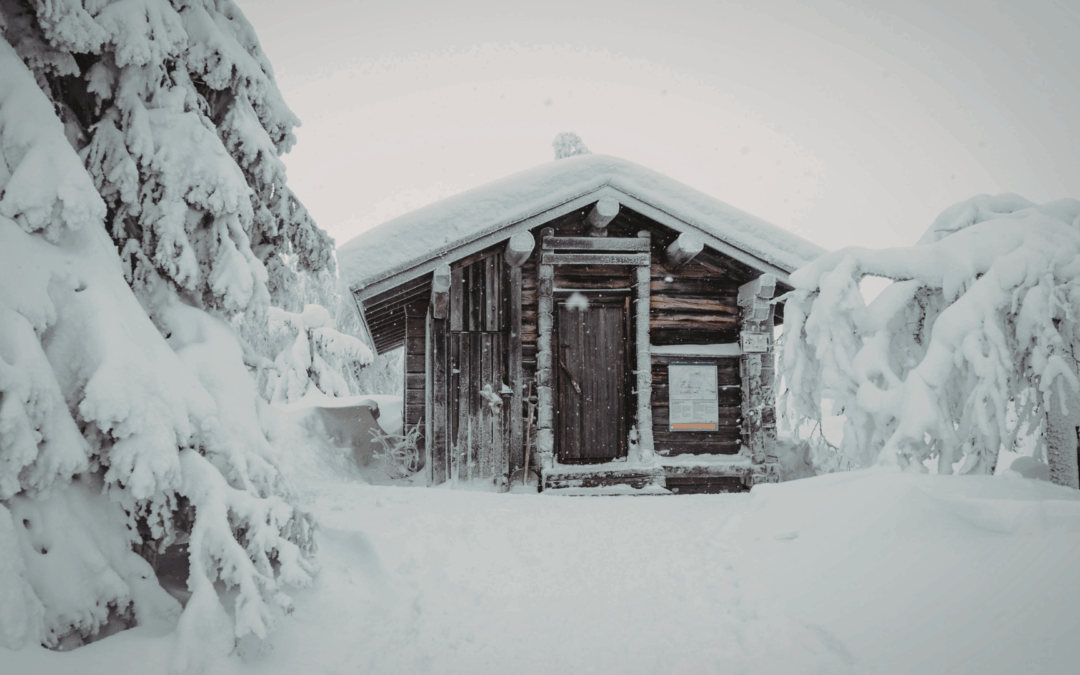
Heavy snowfall may look picturesque, but it can quietly create serious problems for your home—especially your roof. Many homeowners underestimate how damaging accumulated snow can be, assuming roofs are designed to handle winter weather without issue. In reality, excessive snow load places continuous pressure on roofing systems, gradually weakening structural components. Over time, this stress can lead to sagging, leaks, cracked framing, or even sudden roof collapse. Winter roof problems often develop silently, making them easy to overlook until costly damage occurs. Factors such as snow density, ice buildup, and uneven distribution further increase the risk. Homes in colder regions face recurring exposure to these conditions, which compounds long-term structural fatigue. Understanding how heavy snow affects your roof is essential for protecting your property, ensuring safety, and avoiding expensive winter roof repairs.
What Is Snow Load and Why It Matters for Roof Integrity
Snow load refers to the weight that accumulated snow and ice place on a roof’s structure. This load directly impacts how roofing systems perform during winter and determines whether a roof remains stable under harsh conditions. Roofs are engineered to support a specific maximum load, and exceeding that limit can compromise their integrity. Snow load becomes particularly dangerous when it persists for long periods without melting or removal. Many winter roof failures occur not because of a single storm, but due to repeated accumulation over time. Understanding snow load helps homeowners recognize why even well-built roofs can fail under extreme winter conditions. It also explains why older homes and poorly maintained roofs are more vulnerable. Recognizing this concept is the foundation of winter roof safety and structural protection.
Definition of Snow Load in Roofing Engineering
In roofing engineering, snow load is defined as the downward force exerted by snow accumulation on a roof surface. It is measured in pounds per square foot (PSF) and varies depending on climate, roof design, and construction standards. Engineers calculate snow load based on historical snowfall data, roof pitch, and building codes. Roofs in snow-prone regions are designed with higher load capacities than those in milder climates. However, even code-compliant roofs can be overwhelmed during extreme or prolonged snow events. Snow load calculations also account for drifting, where wind pushes snow into concentrated areas. When snow load exceeds design limits, structural stress increases dramatically. This stress can cause deformation or failure in key roofing components.
Dead Load vs Live Load on Residential Roofs
Dead load refers to the permanent weight of the roof itself, including shingles, decking, and framing materials. Live load, on the other hand, includes temporary forces such as snow, ice, wind, and maintenance activity. Snow load is classified as a live load, but it can become semi-permanent during extended winter periods. When live load combines with dead load, the total stress on the roof increases significantly. Roof structures are designed to handle both loads within defined safety margins. Problems arise when heavy snow pushes the combined load beyond those limits. Understanding this balance explains why roofs that appear stable can suddenly fail during severe winters.
How Much Does Snow Really Weigh on a Roof?
Many homeowners are surprised to learn just how heavy snow can become once it accumulates. Light, fluffy snow may seem harmless, but its weight adds up quickly over large roof surfaces. As snow compacts or melts and refreezes, its density increases dramatically. This added weight places intense pressure on roof framing and decking. Multiple storms without adequate melting can cause snow layers to stack, compounding the load. Ice formation further increases stress by adding weight and restricting water runoff. Knowing the true weight of snow helps homeowners understand why timely removal and prevention are so important. Underestimating snow weight is one of the most common causes of winter roof damage.
Light Snow vs Wet Snow Weight Comparison
Not all snow weighs the same, and the difference is critical for roof safety. Light, powdery snow typically weighs around 3 to 5 pounds per square foot. Wet, heavy snow can weigh 20 pounds per square foot or more. This means a modest accumulation of wet snow can equal the weight of a much deeper layer of dry snow. Rainfall followed by freezing temperatures can rapidly turn snow into a dense, dangerous load. Roofs subjected to wet snow are at far greater risk of structural stress. Homeowners should be especially cautious after storms that involve mixed precipitation. These conditions significantly increase the likelihood of roof damage or collapse.
Ice Dams and Compacted Snow Risks
Ice dams form when snow melts and refreezes at the roof’s edge, creating thick ice barriers. These ice formations add substantial weight and prevent proper drainage. Compacted snow beneath ice dams becomes even denser, increasing the load on specific roof areas. This uneven weight distribution places excessive stress on rafters and trusses. Ice dams also trap moisture, leading to leaks and insulation damage. Over time, repeated freeze-thaw cycles worsen structural strain. Ice dams are a major contributor to winter roof failures and should never be ignored.
Structural Components Most Vulnerable to Heavy Snow Loads
Heavy snow does not affect all parts of the roof equally. Certain structural components bear the brunt of snow load stress and are more prone to damage. These elements work together to support the roof, and failure in one area can compromise the entire system. Snow load pressure is transferred from the roof surface down through framing and into the home’s walls. When any component weakens, the load becomes unevenly distributed. This imbalance increases the risk of deformation or collapse. Understanding which components are most vulnerable helps homeowners and inspectors identify problems early. It also underscores the importance of proper construction and maintenance.
Roof Trusses and Rafters Under Stress
Roof trusses and rafters are the primary load-bearing elements of a roof. They are designed to support specific weights under normal conditions. Heavy snow increases downward force, causing these components to bend or flex. Over time, repeated stress can lead to cracks, warping, or separation at joints. Once trusses weaken, they lose their ability to distribute weight evenly. This can result in sagging rooflines or sudden structural failure. Older homes with undersized framing are especially at risk. Truss damage often occurs out of sight, making professional inspections essential.
Roof Decking and Sheathing Failure Risks
Roof decking and sheathing provide the surface that supports roofing materials and snow load. When excessive weight presses down, these layers can bow or crack. Moisture from melting snow can seep into weakened decking, accelerating deterioration. Soft or rotting sheathing loses its load-bearing capacity quickly. This can cause shingles to loosen or collapse inward. Decking failure often precedes more serious structural damage. Regular inspections help catch early signs of stress before major repairs are needed.
Warning Signs Your Roof Is Struggling Under Snow Weight
Roof damage caused by heavy snow often shows warning signs before a catastrophic failure occurs. Recognizing these indicators early can prevent serious structural problems and safety hazards. Some signs are visible from inside the home, while others appear on the roof’s exterior. Ignoring these symptoms can allow minor issues to escalate rapidly. Winter conditions make inspections more challenging, but vigilance is crucial. Homeowners should monitor their property closely after heavy snowfall. Prompt action can reduce repair costs and protect occupants.
Common warning signs include:
-
Sagging or uneven rooflines
-
Cracks in interior ceilings or walls
-
Doors or windows sticking unexpectedly
-
Unusual creaking or popping sounds
-
Water stains or active leaks
-
Visible bending of rafters in attic spaces
Each of these signs indicates excessive stress on the roof structure. If any are present, professional evaluation is strongly recommended.
How Heavy Snow Can Cause Long-Term Structural Damage
Not all snow-related roof damage is immediate or obvious. In many cases, heavy snow causes gradual deterioration that weakens the structure over time. Repeated exposure to excessive loads accelerates material fatigue. Minor bending or shifting may not cause immediate failure but reduces long-term stability. Moisture intrusion from melting snow compounds the problem by damaging wood and insulation. Over multiple winters, these effects accumulate and shorten the roof’s lifespan. Long-term damage is often more expensive to repair than sudden failures. Proactive prevention is key to preserving roof integrity.
Gradual Roof Sagging and Structural Fatigue
Roof sagging often develops slowly as framing components lose strength. Heavy snow repeatedly pushes these elements beyond their comfort zone. Over time, this stress causes permanent deformation. Even slight sagging indicates that structural limits are being exceeded. Continued loading increases the risk of collapse during future storms. Sagging also affects drainage, allowing more snow and ice to accumulate. This creates a cycle of increasing damage. Addressing sagging early can prevent more serious consequences.
Moisture Intrusion and Wood Rot
Snow melt introduces moisture into roofing systems, especially when ice dams block proper drainage. Water seeps into cracks, joints, and insulation layers. Wood components exposed to moisture begin to rot, losing strength and stability. Rotting wood cannot support heavy loads effectively. This hidden damage often goes unnoticed until significant deterioration occurs. Moisture-related issues also promote mold growth, affecting indoor air quality. Proper ventilation and insulation help mitigate these risks.
Flat Roofs vs Sloped Roofs: Snow Load Risk Comparison
Roof design plays a significant role in how snow load affects structural safety. Flat roofs and sloped roofs handle snow accumulation differently. Understanding these differences helps homeowners assess their risk level. Flat roofs tend to retain snow for longer periods, increasing load stress. Sloped roofs encourage snow shedding but are not immune to problems. Ice dams and drifting can still occur on pitched surfaces. Each design has unique vulnerabilities that require tailored maintenance strategies.
| Feature | Flat Roofs | Sloped Roofs |
|---|---|---|
| Snow Accumulation | High | Moderate |
| Drainage | Limited | Better |
| Ice Dam Risk | Moderate | High |
| Structural Stress | Concentrated | Distributed |
| Maintenance Needs | Frequent | Seasonal |
Both roof types require proactive winter care to prevent damage.
Regional Snow Load Standards and Building Codes
Building codes establish minimum snow load requirements based on regional climate conditions. These standards are designed to ensure roofs can safely support expected snowfall. However, extreme weather events can exceed historical averages. Homes built decades ago may not meet current code requirements. Renovations and additions can also alter load distribution. Understanding local snow load standards helps homeowners evaluate whether their roof is adequately designed. Compliance with codes improves safety but does not eliminate risk entirely. Awareness of these factors supports informed maintenance decisions.
Snow Load Design Requirements by Climate Zone
Climate zones influence how snow load requirements are calculated. Regions with heavy snowfall mandate higher load capacities. Engineers consider factors such as elevation, wind exposure, and historical data. Roof pitch and materials also affect design calculations. Homes in transitional climates may face unexpected challenges during severe winters. Changes in weather patterns further complicate predictions. Staying informed about regional standards helps homeowners plan upgrades and inspections.
Why Older Homes Are at Higher Risk
Older homes were often built under less stringent building codes. Their roofs may not be designed to handle modern snow load expectations. Aging materials and wear further reduce load capacity. Structural reinforcements may be necessary to improve safety. Regular inspections are especially important for older properties. Proactive upgrades can extend roof lifespan and prevent winter failures. Ignoring these risks increases the likelihood of costly damage.
Ice Dams and Uneven Snow Distribution Risks
Ice dams and uneven snow distribution create localized stress points on roofs. Wind-driven snow often accumulates in valleys and along edges. These concentrated loads exceed design limits in specific areas. Ice dams add weight and block drainage, worsening the problem. Uneven loading causes twisting and bending in framing components. This asymmetrical stress increases the risk of cracking and collapse. Addressing insulation and ventilation issues helps reduce ice dam formation. Balanced snow removal also minimizes uneven load distribution.
Preventive Measures to Protect Your Roof from Heavy Snow Loads
Preventing snow-related roof damage requires a combination of maintenance, design improvements, and timely intervention. Homeowners can take practical steps to reduce risk throughout winter. Proper preparation minimizes the likelihood of structural stress. Prevention is always more cost-effective than emergency repairs. A proactive approach enhances safety and extends roof lifespan. Understanding when to act is just as important as knowing what to do.
Safe Snow Removal Techniques
Snow removal should be performed carefully to avoid injury or roof damage. Using roof rakes from the ground is the safest option for homeowners. Removing excess snow reduces load pressure significantly. Avoid chipping ice aggressively, as this can damage roofing materials. Professional snow removal services are recommended for heavy accumulation. Timely removal after storms prevents compounding weight. Safety should always be the top priority.
Proper Attic Insulation and Ventilation
Adequate attic insulation reduces heat loss that causes uneven snow melting. Proper ventilation maintains consistent roof temperatures. These measures help prevent ice dam formation. Balanced temperatures promote even snow shedding. Insulation also improves energy efficiency year-round. Investing in attic upgrades provides long-term benefits. These improvements play a critical role in winter roof protection.
When to Call a Professional Roofing Contractor
Some snow-related roof issues require professional expertise. Structural inspections identify hidden damage that homeowners may miss. Contractors assess load capacity, framing condition, and moisture intrusion. Emergency services may be necessary if warning signs appear. Delaying professional help increases risk and repair costs. Winter inspections are especially valuable after severe storms. Experienced roofers provide guidance on repairs and reinforcements. Professional intervention ensures safety and peace of mind.
Conclusion: Don’t Let Snow Compromise Your Roof’s Structural Safety
Heavy snow loads pose a serious threat to roof stability and home safety. Understanding how snow weight affects structural components empowers homeowners to take preventive action. From recognizing warning signs to implementing proper maintenance, awareness is key. Winter roof damage often develops quietly but can have devastating consequences. Proactive care, timely snow removal, and professional inspections reduce risk significantly. Investing in prevention protects both property and occupants. As winters grow more unpredictable, roof preparedness becomes increasingly important. Don’t let snow compromise your roof’s structural integrity—take action before damage occurs.
Podcast: Play in new window | Download