
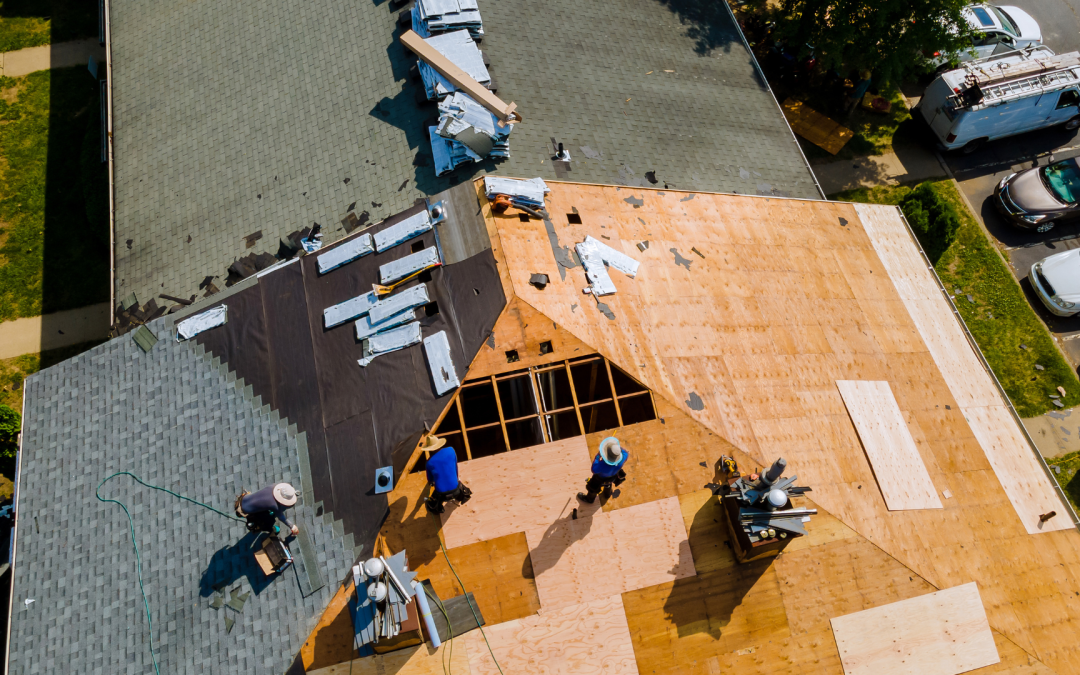
Planning a spring roof replacement in the middle of winter may sound counterintuitive, but it is one of the smartest moves a homeowner can make. While most property owners wait until warmer weather arrives, experienced homeowners understand that roof replacement planning begins months before installation day. Winter offers the perfect opportunity to schedule a winter roof inspection, compare roofing estimates, and secure contractor availability before the busy season begins. As soon as temperatures rise, roofing companies experience a surge in demand due to post-winter damage, storm repairs, and delayed maintenance projects. This seasonal rush often leads to higher roof replacement costs, longer wait times, and limited material availability. By planning early, you gain control over scheduling, pricing, and project timelines instead of competing with peak-season demand. You also avoid the stress of discovering roof leaks or structural damage when contractors are fully booked. Proactive winter preparation transforms your roofing project from a reactive emergency into a well-organized home improvement investment. Simply put, if you want a smooth, cost-effective roof installation in spring, the groundwork must begin in winter.
Understanding Roofing Season: Why Spring Is Peak Time
Spring is widely considered the best time to replace a roof because moderate temperatures support proper shingle sealing and safe installation conditions. During winter, harsh weather exposes roofing weaknesses, which means many homeowners discover damage as snow melts and heavy rains arrive. This leads to a spike in calls for residential roofing services once spring begins. Roofing contractors often become booked weeks or even months in advance due to emergency repairs, insurance claims, and full roof replacements. In addition, longer daylight hours in spring allow roofing crews to complete projects efficiently. The combination of ideal weather and increased homeowner demand creates intense competition for contractor availability. As a result, homeowners who delay planning often face limited scheduling flexibility. This seasonal trend is precisely why roofing contractor scheduling should start in winter. Preparing ahead ensures your spring roof installation stays on track without unexpected delays.
How Weather Impacts Roof Installation Timelines
Temperature plays a major role in the success of an asphalt shingle roof replacement. Shingles require moderate warmth to properly seal and adhere to the roof deck. Extremely cold conditions can make shingles brittle, while excessive summer heat can slow crews and compromise safety. Spring offers balanced temperatures that allow materials to settle and bond effectively. However, unpredictable rainstorms can still delay projects if contractors are overbooked. Planning during winter ensures your installation timeline accounts for weather flexibility. It also gives contractors time to monitor forecasts and adjust schedules accordingly. Proper timing ultimately protects the quality and lifespan of your new roof.
Why Roofing Contractors Get Booked Months in Advance
-
Increased homeowner demand after winter
-
Storm damage roof repair projects
-
Insurance claim backlogs
-
Limited skilled crew availability
-
Material supply scheduling constraints
-
HOA approval timelines
-
Permit processing requirements
-
Emergency leak repairs
-
Seasonal promotional offers
-
Large-scale residential roofing projects
The Benefits of Planning Your Roof Replacement in Winter
Winter provides strategic advantages that most homeowners overlook when considering a spring roof replacement. During colder months, roofing companies typically have more flexibility in scheduling consultations and inspections. This means you can obtain detailed roofing estimates without the pressure of peak-season competition. Early planning also allows you to lock in pricing before material costs increase in spring. Many suppliers adjust pricing based on seasonal demand, which can impact your overall roof replacement cost. By securing a contract early, you may avoid inflation-related price hikes. Winter planning also provides ample time to explore roof financing options and budget accordingly. Instead of rushing decisions, you can carefully compare materials, warranties, and contractor credentials. This preparation ensures your roofing project is financially and structurally sound. Ultimately, winter planning transforms your roof replacement into a strategic investment rather than a rushed necessity.
Key Winter Planning Advantages
-
Easier roofing contractor availability
-
Faster and more detailed roofing estimates
-
Better financing approval timelines
-
Time for permit processing
-
Flexible material selection
-
Avoid emergency spring repairs
-
Competitive roof replacement cost
-
Thorough winter roof inspection
-
Improved project timeline control
-
Reduced stress and scheduling conflicts
Winter Roof Inspection: The First Step Toward a Successful Spring Project
A comprehensive winter roof inspection is the foundation of successful roof replacement planning. Winter weather reveals vulnerabilities that may not be visible during dry seasons. Snow accumulation, ice dams, and freezing temperatures can expose hidden leaks and structural weaknesses. Professional inspections assess shingles, flashing, gutters, ventilation systems, and attic insulation. Identifying minor problems early prevents them from escalating into costly repairs during spring storms. A roofing contractor can also evaluate whether your roof requires full replacement or targeted repairs. This assessment provides clarity and eliminates guesswork before committing to a major investment. Winter inspections also allow time to order materials and prepare permits if replacement is necessary. By diagnosing problems early, you ensure your spring installation proceeds smoothly. Preventive planning reduces financial surprises and extends your home’s structural integrity.
Signs You May Need a Roof Replacement
-
Curling or cracked shingles
-
Missing shingles
-
Excessive granule loss
-
Roof leaks or water stains
-
Ice dam damage
-
Mold growth in attic
-
Sagging roof deck
-
Daylight visible through attic boards
-
High energy bills
-
Roof age exceeding 20 years
-
Damaged flashing
-
Rotting underlayment
-
Storm damage impact
-
Peeling interior paint
-
Persistent moisture issues
Locking in Roofing Contractor Availability Before the Rush
Securing your contractor in winter ensures your roof installation timeline aligns perfectly with spring weather. During peak season, reputable roofing companies often operate at full capacity. Waiting until spring may leave you choosing between limited availability or less experienced contractors. Early booking allows time to review credentials, insurance coverage, and warranties carefully. It also strengthens communication between homeowner and contractor regarding expectations and scheduling. Contractors appreciate early commitments because they can organize crews and material deliveries efficiently. This mutual planning reduces delays and logistical errors. Locking in your contractor early also positions you ahead of emergency repairs that dominate spring schedules. Ultimately, early contractor scheduling guarantees professional workmanship and peace of mind. Strategic planning creates a smoother experience from consultation to final inspection.
Questions to Ask Before Hiring a Roofing Contractor
-
Are you licensed and insured?
-
What warranties do you offer?
-
Can you provide written roofing estimates?
-
What is the expected installation timeline?
-
Do you handle permits?
-
What roofing materials do you recommend?
-
Do you offer financing options?
-
How do you protect landscaping?
-
What cleanup procedures are included?
-
Can you provide recent references?
-
How do you handle weather delays?
-
Is your crew trained for energy-efficient roofing systems?
Securing Roofing Materials Before Prices Increase
Material costs fluctuate based on supply chain trends and seasonal demand. During spring, high demand for asphalt shingles, metal roofing, and underlayment materials can drive prices upward. Winter planning enables homeowners to reserve materials before these increases occur. Securing inventory early prevents delays caused by supplier shortages. It also allows time to compare options such as architectural shingles or energy-efficient roofing systems. Some manufacturers offer early-season promotions or discounts for advance orders. Contractors can coordinate deliveries in alignment with your projected installation date. This proactive approach eliminates the risk of backordered materials during peak construction periods. Careful material selection enhances durability, curb appeal, and long-term performance. Planning ahead ensures your roofing investment meets both aesthetic and structural goals.
Popular Roofing Materials to Consider
| Material | Lifespan | Cost Range | Best For | Energy Efficiency |
|---|---|---|---|---|
| Asphalt Shingles | 20–30 years | $$ | Budget-friendly homes | Moderate |
| Architectural Shingles | 30–40 years | $$$ | Enhanced curb appeal | Moderate–High |
| Metal Roofing | 40–70 years | $$$$ | Long-term durability | High |
| Energy-Efficient Cool Roof Systems | 25–50 years | $$$ | Lower energy bills | Very High |
Budgeting Early: How Winter Planning Helps Control Roof Replacement Costs
Budget preparation is one of the strongest advantages of winter roof replacement planning. Instead of scrambling to secure funds in spring, you can develop a realistic financial strategy months in advance. Early budgeting helps account for tear-off labor, underlayment upgrades, ventilation improvements, and permit fees. You also gain time to explore competitive roof financing options with manageable monthly payments. Understanding your total roof replacement cost prevents last-minute compromises in material quality. Contractors can provide transparent estimates without seasonal price inflation. Budget planning also allows homeowners to prioritize energy-efficient upgrades that reduce long-term utility bills. Financial preparedness reduces stress and enhances decision-making clarity. A well-structured budget ensures your roofing project stays within scope and expectation.
Cost Factors That Influence Roof Replacement
-
Roof size and square footage
-
Roof pitch and complexity
-
Tear-off requirements
-
Underlayment condition
-
Ventilation upgrades
-
Flashing replacement
-
Chimney repairs
-
Skylight integration
-
Material selection
-
Permit fees
Handling Permits and HOA Approvals in Advance
Roof replacement projects often require local permits and, in some communities, HOA approvals. Winter provides sufficient time to complete these administrative requirements without delaying installation. Permit approvals can sometimes take several weeks depending on municipal workload. Waiting until spring may result in paperwork backlogs that postpone your project. Early documentation submission ensures compliance with local building codes and regulations. HOA guidelines may also dictate material types, colors, or structural standards. Addressing these requirements in winter eliminates unnecessary stress. Contractors can assist with paperwork preparation and submission processes. Organized permit handling protects you from fines or inspection failures. Completing approvals early keeps your spring roofing timeline intact.
Insurance Claims & Storm Damage Preparation
Winter planning also supports proactive insurance preparation. If your roof has sustained storm damage, documenting it early strengthens your claim. Insurance adjusters often face heavy caseloads in spring following severe weather events. Filing claims in winter may accelerate assessment and approval. Early inspections provide detailed reports and photographs of existing damage. Contractors can guide homeowners through documentation and repair estimates. This preparation ensures claim approvals align with your spring replacement schedule. Acting early prevents emergency tarping or temporary fixes during peak storm season. Insurance coordination becomes smoother when timelines are organized in advance. Strategic documentation protects both your investment and financial recovery.
How to Document Roof Damage Properly
-
Schedule a professional winter roof inspection
-
Take clear, date-stamped photos
-
Record interior water stains
-
Keep maintenance records
-
Obtain written roofing estimates
-
Contact your insurance provider promptly
-
Save communication records
-
Review policy coverage details
Energy Efficiency & Ventilation Upgrades During Roof Replacement
A roof replacement offers the ideal opportunity to improve energy efficiency and ventilation systems. Modern energy-efficient roofing materials reduce heat absorption and lower cooling costs. Proper attic ventilation prevents moisture buildup and extends shingle lifespan. Winter planning provides time to evaluate insulation upgrades alongside roofing improvements. Contractors can assess ridge vents, soffit vents, and attic airflow systems. Improved ventilation reduces mold growth and structural deterioration. Energy-efficient materials may also qualify for rebates or tax incentives. Planning these upgrades in advance maximizes long-term savings. Integrating efficiency improvements during replacement enhances home comfort year-round.
Creating a Spring Roof Replacement Timeline
A structured timeline ensures your project flows smoothly from inspection to completion. Winter months are ideal for inspections, budgeting, and contractor booking. Early spring supports material delivery and final confirmations. Mid-spring provides favorable installation conditions. Late spring allows for final inspections and warranty documentation. Planning each phase in advance eliminates confusion and delays. Contractors appreciate organized schedules that allow efficient crew coordination. Homeowners benefit from predictable project milestones. A clear timeline transforms a complex roofing project into a manageable, stress-free process.
Roof Replacement Timeline
| Phase | When to Start | Key Actions |
|---|---|---|
| Winter (Dec–Feb) | Inspection & contractor booking | Inspection, estimates, permits |
| Early Spring | Material delivery | Confirm materials, schedule crew |
| Mid Spring | Installation | Roof tear-off and installation |
| Late Spring | Final inspection | Warranty documentation |
Conclusion: Why Waiting Until Spring Could Cost You More
Waiting until spring to begin your roof replacement planning may seem convenient, but it often results in higher costs and limited scheduling options. Peak-season demand drives up roof replacement costs and restricts contractor availability. By contrast, winter planning empowers homeowners with flexibility, competitive pricing, and comprehensive inspections. Early scheduling secures materials and prevents supply shortages. It also ensures your project aligns perfectly with favorable spring weather conditions. Proactive preparation reduces stress and eliminates emergency repairs during storm season. A strategic winter approach strengthens your home’s structural integrity and financial efficiency. The smartest homeowners understand that preparation defines project success. If you’re considering a spring roof replacement, schedule your winter inspection now and take control before the rush begins.
Podcast: Play in new window | Download