
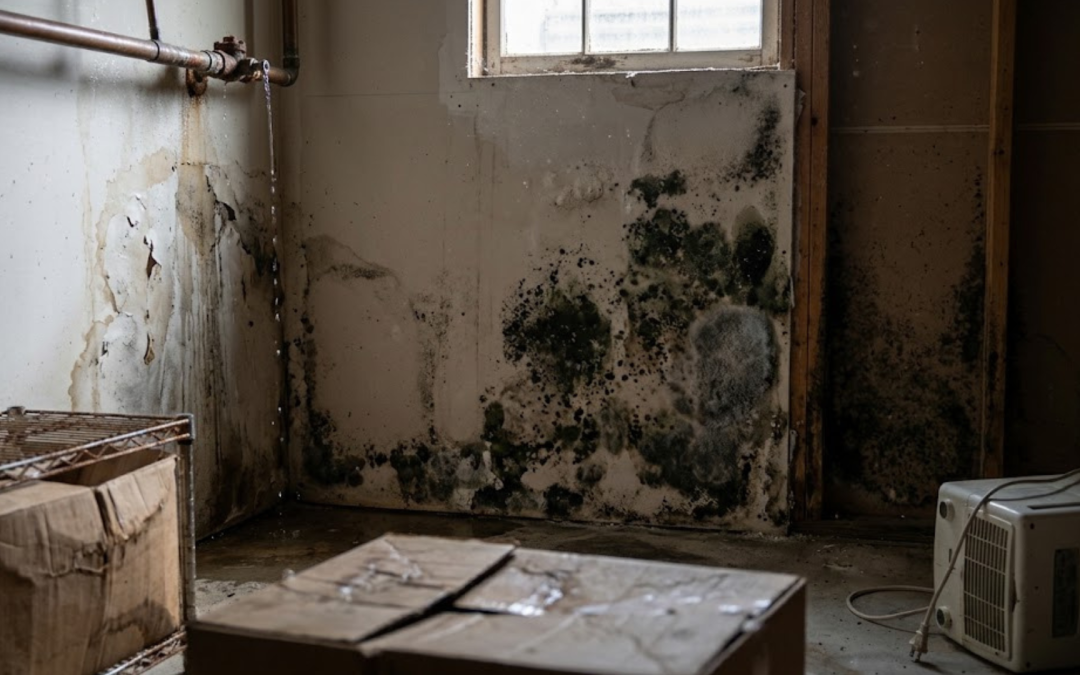
Persistent dampness poses a serious threat to residential structures throughout Union County. When excess moisture enters indoor spaces, fungal spores spread quickly across porous building materials. Understanding how hidden leaks and high humidity fuel microbial colonies is essential for maintaining a healthy household. This guide covers how water problems cause indoor contamination and why professional mold removal in Fanwood remains the most reliable solution for local property owners.
The Silent Threat of Indoor Moisture in Fanwood Homes
Fanwood features humid summer months and cold, wet winters. These seasonal shifts trap damp air inside local houses. Many homes in the borough have mature foundations and traditional timber framing. Consequently, small moisture leaks often remain undetected behind finished walls or under basement slabs.
Mold spores float naturally through outdoor air. However, they need stagnant dampness to settle and colonize indoor surfaces. Without prompt water management, tiny moisture spots turn into widespread property damage. Property owners must identify moisture pathways early before hidden decay compromises indoor air quality.
The Science: How Excess Moisture Sparks Rapid Mold Growth
Mold does not generate out of nowhere. It requires oxygen, an organic food source, and water to grow. Building materials like drywall, plywood subflooring, and wooden joists provide an ideal food supply. Therefore, moisture remains the single factor that homeowners can actively control.
When relative indoor humidity rises above 55 percent, dormant mold spores activate. In fact, microscopic spores begin germinating within 24 to 48 hours of water exposure. The mold threads, called hyphae, anchor deep inside porous fibers. As a result, simply drying the surface will not eliminate the rooted fungal network underneath.
Primary Moisture Culprits in Fanwood Residential Properties
Every section of a home faces distinct moisture risks throughout the year. Identifying the source of the dampness is always the first step toward effective remediation.
Ground Seepage and Foundation Settling in Union County
-
Heavy rains saturate local soil and create hydrostatic pressure against basement walls.
-
Microscopic foundation cracks allow groundwater to push through solid concrete.
-
Subgrade crawl spaces without heavy vapor barriers pull dampness directly from the earth.
Plumbing Leaks and Hidden Pipe Condensation
-
Slow pinhole leaks in copper supply lines gradually soak surrounding wall framing.
-
Aging pipe joints behind tiled shower walls leak water during daily bathroom use.
-
Cold water pipes sweat inside unconditioned basements, dripping moisture onto floorboards.
Attic Roof Leaks and Poor Soffit Ventilation
-
Damaged roof shingles permit rain runoff to penetrate attic insulation.
-
Blocked soffit vents trap hot, humid air inside attic rafters during summer.
-
Inadequate roof venting causes winter condensation on structural roof sheathing.
Moisture Sources vs. Resulting Mold Risk Breakdown
Different moisture sources create varying levels of risk throughout the structure. The table below outlines how common moisture problems trigger specific mold threats.
Warning Signs Fanwood Homeowners Shouldn’t Ignore
Indoor mold often develops inside wall cavities and subflooring before becoming visible. Property owners should watch for these early indicators of hidden fungal growth:
-
Earthy, Damp Odors: Musty smells that linger despite regular cleaning indicate active colonies behind drywall.
-
Surface Discoloration: Dark spots, fuzzy green patches, or white powdery stains spreading across walls or ceilings.
-
Peeling Wall Finishes: Bubbling wallpaper or flaking wall paint caused by trapped moisture pushing outward.
-
Persistent Window Condensation: Water droplets pooling on interior window glass signal dangerously high indoor humidity.
-
Unexplained Health Flare-Ups: Frequent sneezing, coughing, or sinus congestion that improves when leaving the home.
Why Surface Cleaning and Bleach Fail on Moisture-Driven Mold
Many residents attempt to clean mold using household bleach or retail cleaning sprays. Unfortunately, this approach rarely works on porous surfaces. Bleach consists mostly of water combined with a diluted chemical agent. When applied to drywall or wood framing, the chlorine evaporates rapidly on the surface.
Meanwhile, the leftover water absorbs deep into the porous material. This extra moisture feeds the surviving mold roots beneath the surface. Within days, the mold colony returns stronger than before. Effective mold removal requires physical containment, deep structural cleaning, and complete moisture elimination.
Professional Mold Removal in Fanwood: The Remediation Process
Certified remediation specialists follow standardized protocols to eliminate mold safely without spreading spores across clean living areas.
Containment and Negative Air Pressure Control
Technicians seal off the contaminated workspace using heavy plastic sheeting. They install commercial air movers equipped with HEPA filters. These machines establish negative air pressure. Consequently, loose spores cannot escape into adjacent bedrooms or hallways during demolition.
Source Elimination and Moisture Mapping
Remediators inspect the structure with infrared thermal cameras and digital moisture meters. These tools detect hidden water lines behind finished surfaces. Technicians ensure the underlying leak or seepage issue is resolved before starting cleanup.
HEPA Filtration, Antimicrobial Cleaning, and Material Removal
Porous items damaged beyond salvage, such as wet drywall, are bagged and removed safely. Technicians then vacuum framing timbers using industrial HEPA equipment. Finally, they apply EPA-registered antimicrobial solutions to kill remaining spores and stop future growth.
Health Implications of Prolonged Mold Exposure
Living inside a damp, mold-contaminated home poses genuine health risks. As colonies thrive, they release microscopic spores and microbial volatile organic compounds into shared air spaces.
Inhaling these airborne irritants triggers chronic upper respiratory reactions in sensitive individuals. Children, elderly family members, and people with existing respiratory conditions face the highest risk. Common exposure symptoms include:
-
Persistent nasal congestion and chronic sinus pressure.
-
Irritated, bloodshot, or watery eyes.
-
Dry coughing and tightness across the chest.
-
Frequent headaches and unexplained fatigue.
-
Severe asthma attacks caused by airborne fungal particles.
Proactive Moisture Control: Protecting Your Fanwood Home Long-Term
Eliminating existing mold is only half the battle. Homeowners must maintain balanced indoor humidity to keep colonies from returning.
-
Operate Commercial Dehumidifiers: Maintain indoor relative humidity levels between 30 and 50 percent in basements and crawl spaces.
-
Extend Gutter Downspouts: Route roof runoff at least six to ten feet away from foundation walls to prevent ground saturation.
-
Service Sump Pumps Regularly: Inspect backup battery systems and clean pump basins before major rainstorms hit Union County.
-
Vent High-Moisture Rooms Outside: Run exhaust fans in bathrooms and kitchens during use and for twenty minutes afterward.
-
Insulate Exposed Pipes: Wrap cold water lines in foam insulation sleeves to stop condensation during warm summer months.
When to Call a Certified Fanwood Mold Remediation Specialist
Surface scrubbing cannot solve structural dampness. If mold covers an area larger than ten square feet, professional remediation is necessary. Specialized technicians possess the training and gear needed to handle toxic mold safely. They verify structural moisture levels and restore safe indoor air quality. Taking action at the first sign of water damage protects your property investment and your family’s health.
Call to Action Options
-
Option 1 (Direct & Urgent): Suspecting hidden mold or moisture damage in your Fanwood home? Contact our certified remediation team today to schedule an on-site moisture inspection and protect your property.
-
Option 2 (Consultative & Health-Focused): Do not let indoor dampness compromise your family’s health and indoor air quality. Call our Fanwood moisture control specialists now for a comprehensive evaluation and proven mold removal solutions.
Other Post:
- Do You Need Mold Remediation After Water Damage?
- Mold Inspection and Remediation in New Providence: What to Expect
- Buying a Home With Mold: What NJ Homebuyers Should Know