Discovering damp spots or faint, discolored patches in your Westfield home is easy to dismiss as cosmetic damage or an issue to tackle next weekend. However, indoor mold growth operates on a strict timeline, and delaying action often leads to severe consequences. Westfield experiences distinct seasonal shifts, marked by humid summer stretches, spring rainstorms, and freezing winters that push foundation walls and rooflines to their limits. When moisture finds a way into wall cavities, subflooring, or basements, dormant fungal spores wake up almost instantly. Mold remediation is not merely an aesthetic cleanup; it is a critical, time-sensitive intervention necessary to protect your family’s health, safeguard your property’s value, and avoid extensive structural repairs.
The Unseen Clock: How Fast Mold Spreads in Westfield Homes
Indoor mold spores exist everywhere in ambient air at baseline levels. They remain harmless until they find three elements: warmth, oxygen, and an organic food source soaked in moisture. Once plumbing drips, storm runoff, or excessive indoor humidity introduces water, the timeline accelerates rapidly.
-
24 to 48 Hours: Microscopic spores germinate and anchor into porous materials, including drywall paper, insulation, carpet padding, and unfinished lumber.
-
3 to 7 Days: Fungal colonies expand, penetrating beneath paint and wallpaper, becoming visible surface stains while releasing airborne spores throughout the room.
-
1 to 2 Weeks: Microbial colonies produce volatile organic compounds (VOCs) and mycotoxins, actively degrading wooden subfloors, ceiling joists, and studs while invading central HVAC ductwork.
Critical Health Risks: What Lingering Spores Do to Your Body
When mold colonies mature, they continuously disperse microscopic spores and chemical irritants into indoor air. Prolonged inhalation within an enclosed home creates distinct health complications that escalate the longer remediation is postponed.
Short-Term Allergy Triggers
-
Chronic dry coughing, throat irritation, and recurring sneezing fits.
-
Watery, itchy, or reddened eyes and persistent sinus congestion.
-
Unexplained skin rashes and hives exacerbated by high indoor humidity.
Long-Term & Severe Complications
-
Frequent, aggressive asthma attacks and persistent chest tightness in otherwise healthy individuals.
-
Heightened vulnerability to systemic fungal respiratory infections in young children, seniors, and immunocompromised family members.
-
Chronic fatigue and lingering headaches resulting from poor indoor environmental air quality.
Structural Threats: How Hidden Mold Destroys Property Value
Mold does not merely sit on top of building surfaces; it digests them. Because structural framing, roof trusses, subflooring, and drywall are made of organic cellulose, active fungal colonies slowly break down their fibrous structure from the inside out. Over several months, load-bearing wood studs soften and rot, drywall crumbles, and floors begin to sag under routine weight. Beyond structural degradation, unaddressed mold directly undermines home equity. During any real estate transaction in Westfield, property disclosure laws require sellers to report known water intrusion and microbial contamination. An active or poorly documented mold issue often results in dropped contracts, failed municipal inspections, or massive price concessions at closing.
Cost Comparison: Early Intervention vs. Delayed Remediation
Addressing water damage within the first 48 hours keeps remediation contained, whereas allowing colonies to expand deep into building materials dramatically multiplies repair expenses.
| Remediation Factor | Timely Action (Within 24–72 Hours) | Delayed Action (Weeks to Months) |
| Affected Area Scope | Contained to a single room, fixture, or localized surface | Systemic contamination across wall cavities, subfloors, and HVAC ducts |
| Material Salvageability | Most building materials are dried, treated, and preserved in place | Drywall, baseboards, insulation, and carpeting require complete demolition |
| Containment Protocols | Standard air scrubbers and targeted surface barriers | Multi-room negative air pressure chambers and heavy-duty biohazard seals |
| Estimated Out-of-Pocket Cost | Low to Moderate: $500 – $1,500 | High: $4,000 – $15,000+ (often requiring structural rebuilding) |
| Insurance Claim Viability | Frequently covered when tied to sudden, accidental water leaks | Often denied due to policy exclusions regarding “gradual damage” and neglected maintenance |
Common Culprits: Top Areas Prone to Mold in Westfield Properties
Unfinished Basements and Crawl Spaces
Westfield’s soil conditions and seasonal rain cause hydrostatic pressure to build against foundation walls. Porous concrete blocks and unsealed floor slabs permit subterranean moisture to seep into basements, creating a humid microclimate where stored cardboard, floor joists, and sill plates foster rapid fungal growth.
Attics with Poor Ventilation
During winter, warm air rises from living spaces into attics. Without balanced ridge and soffit ventilation, warm air meets freezing roof sheathing, generating condensation. This moisture drips onto fiberglass insulation and promotes mold growth across attic rafters long before leaks appear on ceilings below.
HVAC Ducts and Central Air Handlers
During peak summer humidity, central air conditioning units generate heavy condensate. If drain pans back up or ductwork lacks adequate external insulation, moisture pools inside the ducts. The system then blows mycotoxins and viable spores across every connected living space each time the fan kicks on.
Subtle Warning Signs That Demand Immediate Attention
-
Pervasive, damp, earthy smells that linger even after thorough vacuuming and airing out rooms.
-
Peeling paint, bubbling wallpaper, or yellowish-brown water rings along walls and baseboards.
-
Darkened grout lines, black speckling around plumbing fixtures, or discoloration beneath vanity cabinets.
-
Persistent condensation on interior window glass or cold-water copper pipes.
-
Allergy or asthma flare-ups that improve when leaving the house but return upon coming home.
Why DIY Mold Removal Often Makes the Problem Worse
Homeowners frequently spray visible mold with store-bought bleach or household disinfectant, assuming the issue is resolved. Unfortunately, bleach consists primarily of water; while the chlorine chemical whitens surface discoloration, it cannot penetrate porous materials like drywall or bare timber. Instead, the water component sinks deeper into the substrate, feeding the subterranean root system (hyphae). Furthermore, scrubbing dry, active mold without proper containment aerosolizes millions of defensive spores, driving contamination deeper into wall cavities and your central ventilation system.
The Professional Mold Remediation Process Explained
-
Moisture Mapping & Thermal Inspection: Certified technicians use infrared cameras and penetrating moisture meters to locate hidden leaks without tearing down walls prematurely.
-
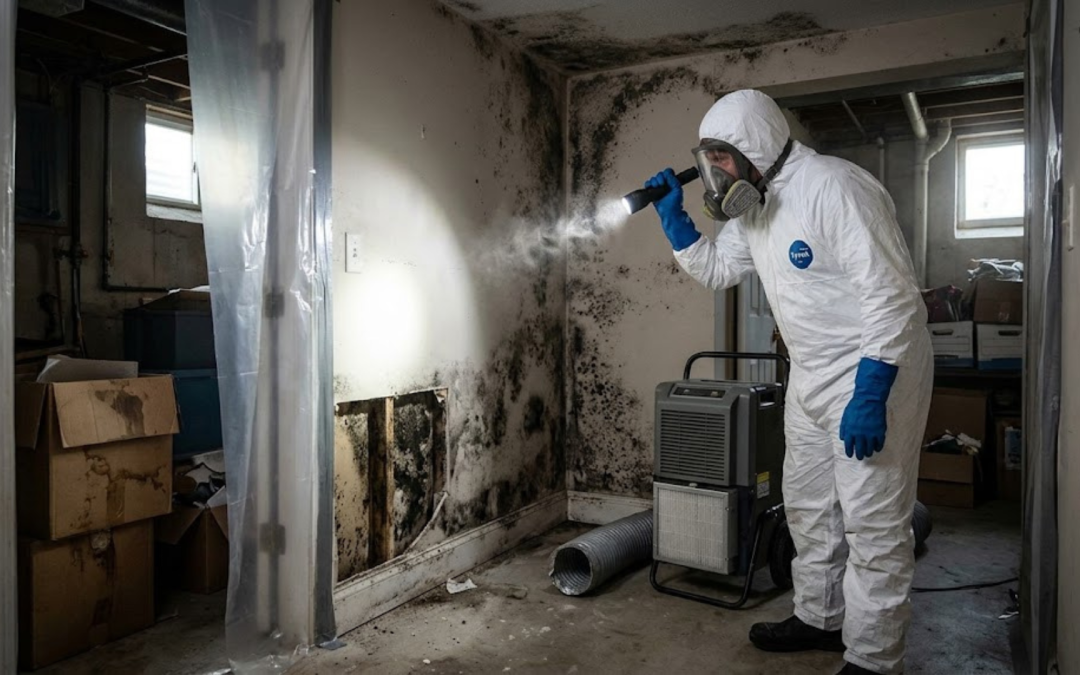
Negative Air Pressure Containment: Heavy-duty polyethylene barriers seal the affected area, while negative-air fans prevent airborne spores from migrating to clean living quarters.
-
HEPA Air Filtration: High-efficiency particulate air scrubbers run continuously, filtering airborne dust, spores, and mycotoxins from ambient indoor air.
-
Controlled Removal & Antimicrobial Sanitization: Unsalvageable porous components are bagged and safely discarded, while intact structural framing is sanded, treated with commercial fungicides, and sealed with mold-resistant barriers.
-
Clearance Verification: Rigorous post-remediation clearance testing confirms ambient spore levels are restored to safe baselines before rebuilding begins.
Protect Your Home: Booking a Westfield Mold Inspection Today
Allowing mold to linger under the assumption that it will dry out on its own compromises both your indoor air quality and the structural integrity of your home. If you notice persistent musty odors, visual surface discoloration, or recent basement dampness, schedule an on-site moisture assessment and professional mold inspection immediately. Timely, certified remediation resolves contamination at the root, restoring safe air and peace of mind to your household.
Other Post:
Why it’s Important to Repair Your Roof Before Winter: What to Know
Best Middlesex County Roofing Company: Your Guide to Choosing a Roofer