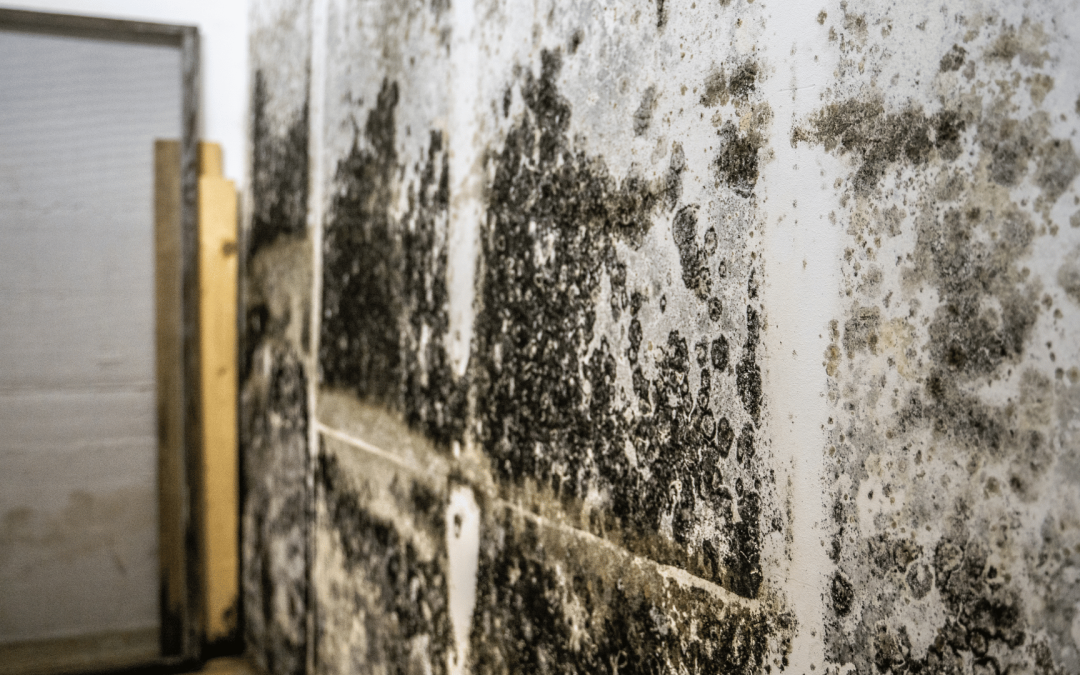
Mold can become a serious problem for homeowners and businesses when moisture is left untreated. From basement leaks and plumbing issues to flooding, roof damage, and high indoor humidity, several conditions can create an ideal environment for mold growth. While a small amount of surface mold may appear easy to clean, hidden or widespread contamination can be much more difficult to address. This is why professional mold remediation in Union County, NJ is an important service for protecting both properties and the people who occupy them. A comprehensive remediation process focuses not only on removing existing mold but also on identifying moisture sources and taking steps to reduce the likelihood of recurring growth.
Why Mold Is a Serious Problem for Union County, NJ Properties
Mold thrives in damp environments where moisture is present for extended periods. New Jersey properties can experience a range of moisture-related issues throughout the year, including heavy rain, storms, snowmelt, plumbing leaks, and humidity. Basements and crawl spaces can be especially vulnerable because they are often poorly ventilated and located below ground level.
Common causes of mold growth include:
- Basement and crawl space moisture
- Plumbing leaks and pipe damage
- Roof leaks and water intrusion
- Flooding and storm-related water damage
- Poor ventilation in bathrooms and kitchens
- High indoor humidity
- Condensation around windows and pipes
- Foundation seepage
- Unresolved water damage
- Leaking HVAC systems or condensation problems
The Health Risks of Living With Mold
- Sneezing and nasal irritation
- Coughing
- Eye irritation
- Throat irritation
- Skin irritation
- Increased allergy symptoms
- Respiratory discomfort
- Worsening asthma symptoms in sensitive individuals
Mold Remediation vs. Mold Removal: What’s the Difference?
The terms “mold removal” and “mold remediation” are often used interchangeably, but they do not always describe the same approach. Mold remediation generally involves a broader process that focuses on managing the contamination and addressing the conditions contributing to mold growth.
| Mold Removal | Professional Mold Remediation |
|---|---|
| Often focuses on visible mold | Addresses the overall mold contamination problem |
| May involve basic surface cleaning | Can involve containment and specialized cleaning |
| May not identify the moisture source | Includes identifying contributing moisture conditions |
| May be suitable for limited surface issues | Designed for more complex or extensive situations |
| May not include prevention strategies | Focuses on reducing the chance of recurring growth |
Simply wiping away visible mold does not necessarily resolve the underlying problem. If a water leak, high humidity, or hidden moisture remains, mold may return. A professional remediation approach looks beyond the visible growth to determine why the problem occurred in the first place.
This distinction is particularly important when searching for mold removal in Union County, NJ. Property owners should consider whether they need simple cleaning or a more comprehensive assessment and remediation process.
The Importance of Professional Mold Remediation for Your Property
Professional mold remediation can provide several important advantages over simply cleaning visible mold. The most significant benefit is that it takes a more comprehensive approach to the problem.
Here are some of the key reasons property owners consider professional remediation:
- Helps address visible and potentially hidden contamination
- Identifies contributing moisture conditions
- Helps prevent mold from spreading during cleanup
- Supports improved indoor environmental conditions
- Reduces the likelihood of recurring mold growth
- Protects building materials from prolonged moisture exposure
- Helps preserve the condition of the property
- Provides a structured approach to mold cleanup
- Can address residential and commercial mold concerns
For homeowners, professional residential mold remediation can help protect living spaces and minimize disruption. Businesses may also benefit from commercial mold remediation in Union County, NJ when mold affects offices, retail spaces, rental properties, or other commercial buildings.
The most effective approach is not simply to treat what is visible. Instead, property owners should focus on understanding the cause of the problem and taking appropriate steps to address both mold and moisture.
How Much Does Mold Remediation Cost in Union County, NJ?
The cost of mold remediation can vary significantly from one property to another. There is no single price that applies to every project because the total cost depends on several factors, including the size of the affected area, the location of the mold, the extent of contamination, and the amount of restoration required.
| Cost Factor | Potential Impact on the Project |
|---|---|
| Size of affected area | Larger areas may require more labor and equipment |
| Location of mold | Difficult-to-access areas can increase project complexity |
| Type of building materials | Porous materials may require removal or replacement |
| Moisture source | Leak repairs or water damage may add to overall costs |
| Extent of contamination | More extensive contamination may require additional remediation |
| Inspection and testing | Additional assessment may affect the overall cost |
| Restoration requirements | Damaged drywall, flooring, or insulation may need replacement |
Property owners should be cautious of companies that provide unusually low estimates without conducting an appropriate assessment. A reliable professional should explain what the estimate includes and identify any potential additional costs before work begins.
If you are searching for mold remediation cost in NJ, the best way to receive an accurate estimate is to arrange a professional assessment of your specific property.
How to Choose the Best Mold Remediation Company in Union County, NJ
Choosing the right contractor is an important step in addressing a mold problem. Property owners should look beyond price and consider the company’s experience, communication, remediation procedures, and overall reputation.
When evaluating a local mold remediation company, consider whether the provider:
- Has experience with residential and commercial properties
- Provides a detailed inspection and assessment
- Explains the source of the moisture problem
- Clearly outlines the proposed remediation process
- Uses appropriate containment procedures
- Provides a detailed written estimate
- Has positive customer reviews and a strong local reputation
- Communicates clearly throughout the project
- Explains what materials may need to be repaired or replaced
- Can coordinate with water damage restoration professionals when necessary
How to Prevent Mold Growth After Remediation
Professional remediation addresses the existing problem, but prevention is equally important. If the underlying moisture conditions are not corrected, mold may return.
Property owners can take several steps to reduce the risk of future mold growth:
- Control indoor humidity: Use appropriate ventilation, air conditioning, or dehumidification to maintain comfortable indoor humidity.
- Repair leaks promptly: Address plumbing, roof, foundation, and HVAC leaks as soon as they are discovered.
- Improve bathroom ventilation: Use exhaust fans during and after showers to reduce excess moisture.
- Ventilate kitchens properly: Use range hoods and exhaust fans when cooking.
- Keep basements dry: Consider appropriate waterproofing and dehumidification measures when necessary.
- Clean up water quickly: Dry wet areas and materials as soon as possible after spills or water intrusion.
- Maintain gutters and downspouts: Direct rainwater away from the foundation.
- Monitor condensation: Pay attention to condensation around windows, pipes, and HVAC equipment.
- Inspect problem areas: Regularly check locations that have experienced previous water damage.
- Address recurring moisture: If dampness continues to return, investigate the cause rather than repeatedly cleaning the visible mold.
These simple steps can help property owners maintain better moisture control and reduce conditions that encourage mold growth.
Protect Your Union County Property With Professional Mold Remediation
Mold can affect both residential and commercial properties, particularly when moisture problems are overlooked or left unresolved. From damp basements and crawl spaces to plumbing leaks, flooding, and hidden moisture, there are many ways mold can develop in a property.
The importance of mold remediation in Union County, NJ goes beyond cleaning visible mold. A comprehensive approach can help identify the source of moisture, manage contamination, clean affected areas, and reduce the conditions that allow mold to return. Whether you are dealing with a small recurring issue or extensive water-related mold growth, professional assessment can help you determine the right course of action.