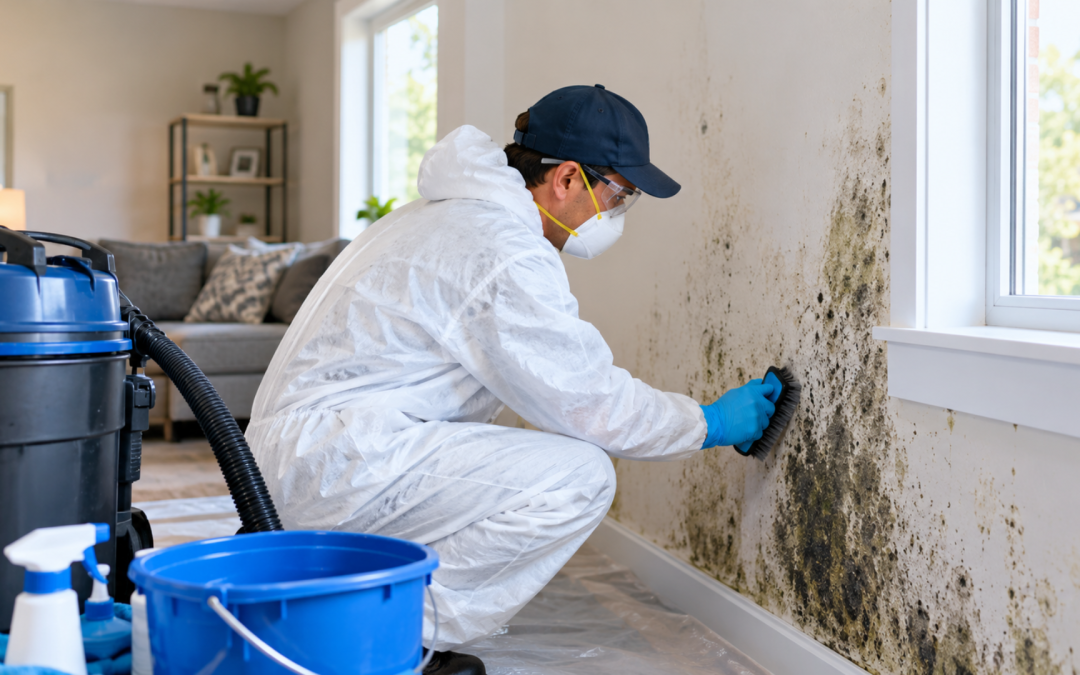
Discovering mold in your Clark home can turn an ordinary week into an overwhelming crisis. Whether it is an earthy, stale smell rising from a finished basement or discolored patches creeping across attic rafters, fungal growth threatens both the structural integrity of your property and the respiratory health of your family. Clark experiences humid East Coast summers, damp transitional seasons, and occasional severe weather events—conditions that create ideal breeding environments for mold spores.
When moisture infiltrates building materials, addressing it demands far more than basic surface scrubbing. True remediation requires specialized training, diagnostic tools, physical containment, and medical-grade air filtration. Finding a qualified, reliable mold remediation professional in Clark means identifying an expert who resolves the underlying moisture source rather than merely painting over visible signs.
Why Prompt Mold Remediation Matters in Clark, NJ Homes
Postponing mold abatement often turns a localized issue into an expensive whole-house restoration project. Mold spores do not stay idle; within 24 to 48 hours of exposure to moisture, colonies feed on organic cellulose found in drywall, timber framing, insulation, and carpet padding. Over time, active colonies break down these materials, degrading structural subflooring and weakening load-bearing studs.
Beyond physical damage, the primary danger lies in deteriorating indoor air quality. As mold colonies expand, they release millions of microscopic spores alongside volatile organic compounds and potential mycotoxins into your living areas. Inhaling these airborne irritants can trigger persistent throat irritation, chronic sinus congestion, asthma flare-ups, and skin allergies. For children, seniors, or family members with compromised respiratory systems, sustained exposure poses severe long-term health concerns. Fast, decisive mitigation halts spore dispersal and safeguards the health of everyone under your roof.
Common Signs Your Clark Property Needs Professional Mold Abatement
Because mold frequently lurks behind wall cavities and underneath floor coverings, identifying an infestation early requires staying alert to subtle warning signs:
-
Pervasive Musty Odors: A persistent earthy or sour smell that lingers near baseboards, crawl spaces, or central air vents, even after thorough housekeeping.
-
Surface Discoloration and Blotches: Fuzzy, velvety, or powdery spots appearing in shades of black, green, brown, or white on walls, ceilings, and joists.
-
Warping and Bubbling Materials: Paint peeling from bathroom walls, bubbling wallpaper, or spongy, discolored baseboards signaling trapped moisture.
-
Past Water Intrusion: A history of basement seepage, overflowing gutters, roof leaks caused by winter ice dams, or water heater failures.
-
Unexplained Health Symptoms: Household members experiencing allergy-like symptoms that intensify when inside the home but clear up after stepping outside.
Key Differentiators: Basic Mold Cleaning vs. Certified Remediation
Many homeowners initially attempt to fix mold problems using off-the-shelf cleaning products. However, treating active fungal growth with cosmetic cleaners differs completely from professional remediation.
| Evaluation Criteria | DIY Surface Cleaning | Professional Certified Remediation |
| Primary Objective | Wiping visible surface discoloration | Eradicating colonies and removing the moisture source |
| Airborne Spore Control | None; scrubbing often scatters spores into other rooms | Negative air pressure containment and HEPA air scrubbers |
| Chemical Safety | Household bleach or generic spray cleaners | EPA-registered botanical or antimicrobial disinfectants |
| Porous Material Treatment | Ineffective on deep roots within drywall and timber | Safe structural removal, sand-washing, or encapsulation |
| Outcome Verification | Visual guesswork | Post-remediation clearance testing and lab reports |
Crucial Qualifications to Look for in a Clark Mold Removal Specialist
Selecting a qualified remediation contractor protects you from costly errors and incomplete cleanups. Always vet prospective providers against clear industry benchmarks.
Professional Certifications & Standards
Choose companies whose technicians hold active certifications from the Institute of Inspection, Cleaning and Restoration Certification (IICRC), specifically the Applied Microbial Remediation Technician (AMRT) credential. Certified contractors adhere to the ANSI/IICRC S520 standard, which defines industry-accepted protocols for safety, environmental assessment, and containment.
Specialized Insurance Coverage
Standard general liability insurance often includes explicit pollution exclusions that deny coverage for mold claims. Ensure your contractor carries specific Environmental or Pollution Liability Insurance along with Workers’ Compensation. This safeguards you from financial responsibility if mold cross-contaminates unaffected areas of your property during remediation.
Independent Testing Practices
Reputable remediation companies avoid self-serving evaluations. The gold standard in property restoration requires that the company performing the cleanup work does not perform the initial diagnostic inspection or final clearance testing. Using an independent third-party industrial hygienist prevents conflicts of interest and guarantees unbiased lab results.
The Step-by-Step Professional Remediation Protocol You Should Expect
A dependable mold remediation project follows a disciplined, multi-phase technical procedure:
-
Moisture Assessment and Thermal Imaging: Technicians identify the moisture source using infrared cameras and non-invasive moisture meters.
-
Containment Barrier Installation: Crews isolate contaminated areas using heavy 6-mil polyethylene sheeting, zippers, and negative air machines to prevent spore migration.
-
Continuous Air Scrubbing: Commercial HEPA air scrubbers run non-stop, capturing microscopic spores down to 0.3 microns at 99.97% efficiency.
-
Controlled Material Removal and Cleaning: Unsalvageable materials like rotted drywall and wet insulation are bagged in airtight containers. Exposed framing is HEPA-vacuumed, treated with EPA-registered antimicrobials, and sanded clean.
-
Structural Dehumidification: High-capacity commercial dehumidifiers extract residual moisture from structural framing until materials reach safe moisture levels.
-
Post-Remediation Clearance Testing: An independent inspector takes indoor air and surface samples to confirm mold spore levels have returned to normal baseline conditions.
Cost Factors of Mold Removal in Clark: What Determines Your Quote?
Mold remediation costs vary widely based on several distinct property factors. The primary cost driver is the physical size of the affected area, as larger footprints require extensive containment structures and prolonged machine runtime. Accessibility also plays a major role; clearing mold from a narrow crawl space or an unfloored attic requires specialized protective equipment and difficult labor, increasing costs compared to treating an open basement.
Other critical elements include the depth of fungal penetration into structural timber, the volume of drywall or cabinetry requiring controlled removal, and whether ductwork sanitation is necessary. A reputable company provides a comprehensive written estimate that breaks down labor, equipment use, antimicrobial treatments, and waste disposal fees without hidden surprises.
Red Flags to Watch Out for When Hiring Local Mold Contractors
Protect your budget and your home by watching for these common restoration industry warning signs:
-
Promises of “100% Mold Eradication”: Mold spores are an organic part of everyday indoor and outdoor environments. Legitimate pros aim to return indoor air to healthy, natural baseline levels, not create a sterile laboratory vacuum.
-
Proposing Bleach as a Solution: Bleach is ineffective on porous surfaces like wood and drywall. It introduces excess water into the material while chemical chlorine evaporates on the surface, encouraging new fungal growth.
-
High-Pressure Sales Scenarios: Contractors who use fear-based tactics to pressure you into signing same-day contracts before providing written test data or a scope of work.
-
Vague Estimates: Quotes that lack itemized details regarding containment protocols, disposal fees, or specific equipment allocations.
Questions You Must Ask Before Signing an Agreement
Before hiring a contractor, ask these practical questions to verify their reliability:
-
“Will you establish negative air pressure containment before disturbing any mold colonies?”
-
“What specific EPA-registered antimicrobial products will be applied inside my living space?”
-
“Do you provide a comprehensive, written scope of work before remediation begins?”
-
“Can you provide proof of active Pollution Liability and Workers’ Compensation insurance policies?”
-
“Do you work alongside independent third-party testing firms for pre- and post-remediation air clearance checks?”
Long-Term Prevention: Keeping Your Clark Home Permanently Mold-Free
Once remediation is complete, taking proactive measures will keep fungal colonies from returning. Focus on strict indoor moisture management. Keep relative indoor humidity between 30% and 50% year-round by installing a dedicated basement or whole-home dehumidifier. Ensure bathroom exhaust fans vent completely outdoors rather than dumping humid air into your attic space.
Outside your home, maintain proper exterior drainage. Clean your roof gutters every spring and autumn to prevent water from backing up, and extend downspout discharge pipes at least six feet away from the foundation. Inspect crawl space vapor barriers regularly and install a sump pump with battery backup power to protect your lower levels during heavy seasonal rainfall.
Final Verdict: Selecting the Best Mold Remediation Partner in Clark
Dealing with mold requires quick, well-informed action. Rather than gambling on temporary surface cleaners or unqualified handymen, partner with a certified remediation team that follows rigid containment procedures and verifiable cleanup standards. By demanding clear certifications, proper insurance coverage, and independent clearance verification, you can protect your property and ensure clean, healthy indoor air for years to come.
Other Post:
Mold Removal in Cranford: Common Causes of Mold in Local Homes
Professional Mold Removal vs. DIY Mold Cleaning: What Union County Homeowners Should Know
Does Homeowners Insurance Cover Mold Removal in Union County, NJ?